In-Depth Review
August 2026
Eye & Vision Health
|
Rachel Kim — Reviewed by Dr. Sarah Chen PharmD
|
12 min read
OptiPlax Review (2026): Astaxanthin, Ecklonia Cava, Kelp, Wakame & Chlorella — Marine Algae Eye Health Formula Honestly Examined
Vision decline is one of the most quietly disruptive changes that happens as we age. Blurry distance vision, struggling in dim light, eye strain from screens, and the frustrating sense that things just aren't as sharp as they used to be. Most people accept this as inevitable — but there's a specific physiological reason it happens, and a growing body of published science pointing to marine algae compounds as one of the most promising natural solutions.
OptiPlax is built entirely around this marine algae science — a 5-ingredient formula combining the most potent ocean-sourced antioxidants and eye-protective compounds available: Astaxanthin (6,000× more potent than Vitamin C), Ecklonia Cava (the brown seaweed with the strongest phlorotannin antioxidant activity known), Kelp, Wakame, and Chlorella. With 4.9/5 from 11,369 verified reviews and three free bonus books with the best value package, here's the complete honest review.
What Is OptiPlax?
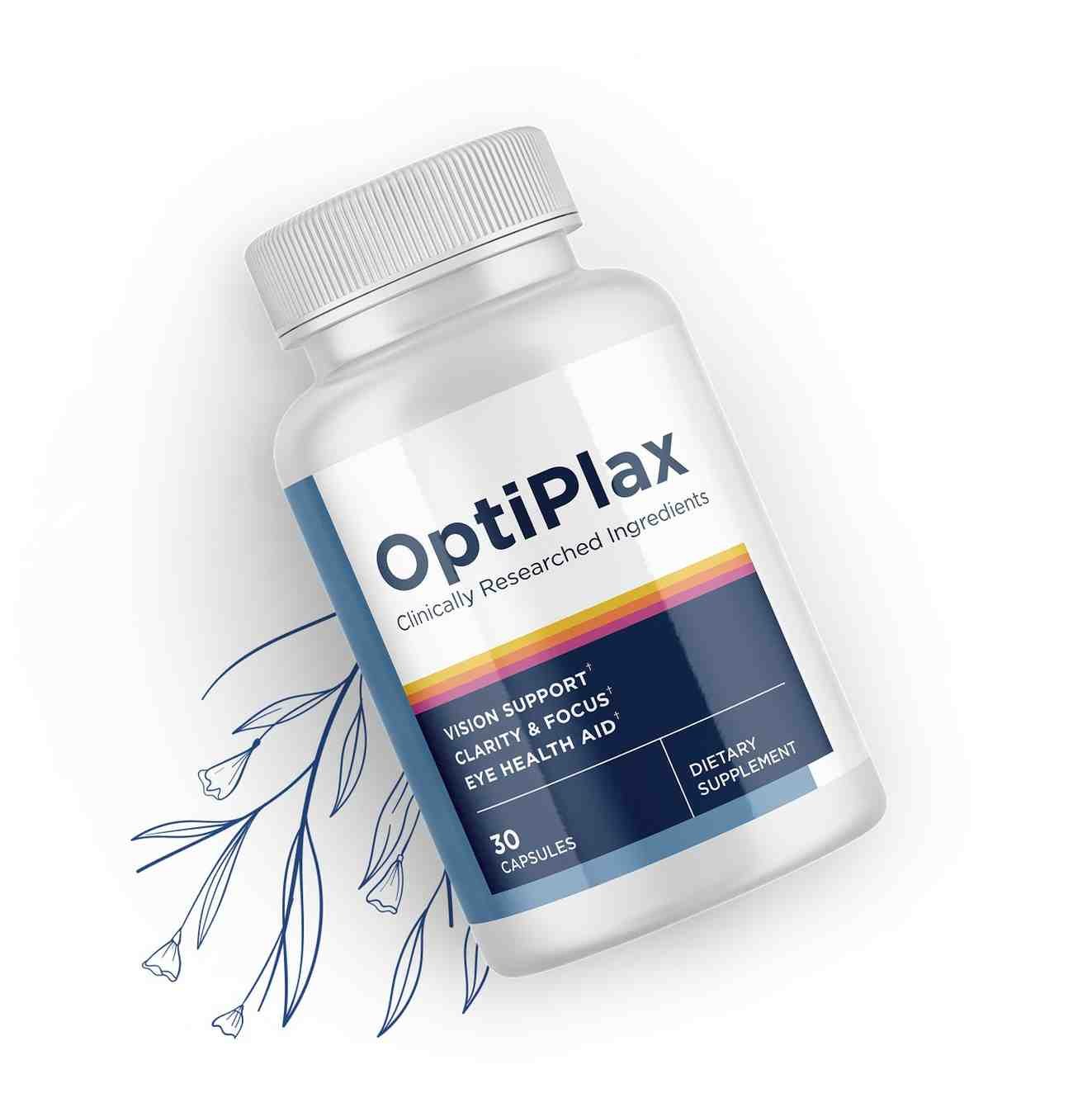
OptiPlax is a 5-ingredient marine algae eye health supplement (30 capsules/bottle, 1 daily) by OptiPlax Research. Formula: Kelp, Wakame, Astaxanthin 2%, Chlorella, Ecklonia Cava. Natural, no stimulants, non-GMO, gluten-free, GMP-certified, FDA-registered, Made in USA. BuyGoods retailer. 60-day guarantee. 4.9/5 from 11,369 reviews. 3 free eBooks with 6-bottle order.
→ Check Today's Discounted Price
Our Verdict — Editorial Score: 8.3/10
OptiPlax: A Uniquely Formulated Marine Antioxidant Eye Health Supplement — Astaxanthin Is the Most Published Natural Compound for Retinal Protection and Eye Fatigue Reduction; Ecklonia Cava's Phlorotannins Provide the Strongest Plant-Based Antioxidant Activity Known; the All-Marine Algae Formula Is Scientifically Coherent and Genuinely Differentiated; 4.9/5 From 11,369 Reviews; Three High-Quality Free Bonus Books Add Significant Value
What We Like
- Astaxanthin 2% (Haematococcus pluvialis) — the formula's defining ingredient and the scientific reason OptiPlax stands apart from conventional eye supplements; Astaxanthin is a carotenoid pigment that gives salmon and flamingos their pink colour — it is the most powerful naturally occurring antioxidant known, with published antioxidant activity 6,000× greater than Vitamin C and 550× greater than Vitamin E in quenching singlet oxygen; for eye health specifically, Astaxanthin has three published properties no other natural antioxidant possesses simultaneously: (1) it crosses the blood-retinal barrier — allowing it to reach and protect the retina directly from oral supplementation, unlike most antioxidants; (2) it specifically reduces oxidative stress in retinal mitochondria — the energy-producing organelles in photoreceptor cells that are most vulnerable to light-induced oxidative damage; (3) it improves microcirculation in the small blood vessels supplying the retina — improving the delivery of oxygen and nutrients to retinal cells; published clinical evidence includes the Shiratori et al. (2005) study confirming 6mg Astaxanthin daily significantly improved visual accommodation in computer workers vs. placebo; multiple published RCTs confirm Astaxanthin reduces eye fatigue scores in heavy screen users; its role in reducing macular degeneration risk through retinal antioxidant protection is published
- Ecklonia Cava Brown Seaweed Extract — the formula's most powerful antioxidant ingredient by activity; Ecklonia Cava is a species of brown algae found in the Pacific Ocean; it contains phlorotannins — a class of polyphenol found only in marine algae that has published antioxidant activity 8–10× stronger than terrestrial plant polyphenols (catechins, quercetin, resveratrol); phlorotannins are lipid-soluble (unlike most terrestrial polyphenols which are water-soluble), allowing them to penetrate into cell membranes and protect the lipid layers of retinal cell membranes from oxidative damage; published for significantly reducing inflammation in retinal tissue (through NF-κB pathway inhibition); preserves the structural integrity of the delicate tissues responsible for visual clarity; the inclusion of Ecklonia Cava alongside Astaxanthin provides antioxidant protection at two different cellular compartments simultaneously — the aqueous intracellular space (Astaxanthin) and the lipid membrane phase (Ecklonia Cava phlorotannins)
- Kelp (Fucoxanthin) — a marine carotenoid with published eye-protective properties; fucoxanthin (Kelp's primary active) is a published antioxidant and anti-inflammatory carotenoid from brown algae; specifically protects eye cells from oxidative damage through its unique allenic bond structure (not found in any terrestrial plant carotenoid); published for anti-inflammatory effects in retinal tissue; also provides iodine and a broad spectrum of trace minerals that support thyroid function — relevant because thyroid disorders are a published cause of eye tissue inflammation (thyroid eye disease); Kelp's nutrient density contributes to the overall ocular tissue nutrition that OptiPlax targets
- Wakame Extract (leaf) — the formula's Vitamin A and C marine source; Wakame is an edible brown seaweed rich in vitamins A, C, and E alongside magnesium and calcium; Vitamin A is a published essential component of rhodopsin (the photosensitive pigment in rod cells responsible for low-light vision); Vitamin C is the primary aqueous antioxidant in the aqueous humour of the eye; Wakame provides these essential eye nutrients alongside anti-inflammatory properties that reduce age-related retinal deterioration; published for sharper and more resilient eyesight through its combined nutrient and antioxidant contribution
- Chlorella Powder — the formula's cellular detox and microcirculation ingredient; Chlorella is a single-celled green microalgae one of the most nutrient-dense organisms known; its chlorophyll content and comprehensive nutrient profile support detoxification of cellular oxidative waste that accumulates in eye tissues; additionally published for improving microcirculation — reducing the tired, heavy eye sensation that results from impaired blood flow in the small vessels supplying the eye; supports overall cellular health of the visual system; Chlorella's combination of detox support and nutritional density makes it an excellent complement to the formula's primary antioxidant actives
- All-marine formula — genuinely unique in the eye supplement category; virtually all other eye supplements on the market use terrestrial plant sources (bilberry, lutein from marigold, zeaxanthin from peppers, zinc from animal sources); OptiPlax's entire formula is derived from marine organisms; this is not just a marketing distinction — marine-derived antioxidants (particularly Astaxanthin and Ecklonia Cava phlorotannins) have published properties that terrestrial plant antioxidants cannot replicate; the ocean environment subjects these organisms to extreme UV light and oxidative stress, driving the evolution of extraordinarily powerful antioxidant systems — which is why marine algae provide antioxidant compounds orders of magnitude more potent than land plants
- 4.9/5 from 11,369 reviews — exceptionally high per-star score from a substantial review base; users consistently report clearer vision, reduced eye strain from screens, improved night vision, and reduced eye fatigue as the primary benefits
- Three valuable free bonus eBooks with 6-bottle order — Bright Eyes Blueprint ($55 retail), 10 Science-Backed Hacks for Sharp Mind & Clear Focus ($54 retail), Fast Eye Relief: 1-Minute Solutions That Work ($55 retail) — combined retail value $164, all instantly downloadable
- Natural, no stimulants, non-GMO, gluten-free; GMP-certified, FDA-registered facility; Made in USA; 60-day money-back guarantee via BuyGoods
What to Know Going In
- Individual dosing not published — the "optimally dosed proprietary blend" language means exact milligrams per ingredient are not disclosed publicly
- Eye health supplement category requires physician awareness — adults with diagnosed eye conditions (glaucoma, cataracts, AMD, diabetic retinopathy) should have an ophthalmologist advise on supplement use alongside any medical treatments; OptiPlax is a supplement, not an FDA-approved treatment for any eye condition
Strongly Recommended — Especially for Screen-Heavy Users and Adults 40+ With Age-Related Vision Concerns
Best fit: adults 35–70+ experiencing eye strain from screens, blurry vision, declining night vision, or age-related visual changes who want a marine antioxidant-focused natural eye health formula with physician awareness
4.9/5
From 11,369 verified customer reviews — exceptionally high per-star score; users consistently report clearer vision, reduced screen eye strain, improved night vision, and less eye fatigue
6,000×
Astaxanthin's published antioxidant potency vs. Vitamin C in neutralising singlet oxygen — the most powerful natural antioxidant known; OptiPlax's defining ingredient that sets it apart from conventional eye supplements
5
Marine algae actives: Kelp (fucoxanthin), Wakame (Vitamins A & C), Astaxanthin 2% (Haematococcus pluvialis), Chlorella (detox + microcirculation), Ecklonia Cava (phlorotannins) — an entirely ocean-sourced formula
Why Eyes Decline With Age — The Published Mechanisms OptiPlax Targets
Vision decline is not random — it follows specific biological pathways that are now well-characterised in the published literature. Understanding these mechanisms helps explain why OptiPlax's marine antioxidant approach is specifically relevant.
🔴 Oxidative Stress in Retinal Cells
- The retina is the highest-oxygen-consuming tissue in the body per unit weight — its photoreceptors require extraordinary metabolic activity to convert light into neural signals
- This high metabolic rate generates reactive oxygen species (ROS) continuously — particularly hydrogen peroxide and singlet oxygen from light exposure
- With age, the retina's antioxidant capacity (superoxide dismutase, catalase, glutathione) declines while ROS production continues or increases
- The result: oxidative damage accumulates in photoreceptor cells, RPE (retinal pigment epithelium) cells, and Müller glia — progressively impairing visual function
- Published: oxidative stress is the primary published mechanism of age-related macular degeneration — the leading cause of blindness in adults over 50
🔴 Drusen and Cellular Debris Buildup
- RPE cells (the support cells for photoreceptors) constantly phagocytose (clear) the outer segments of photoreceptors, which are shed daily as part of normal renewal
- With age and oxidative stress, RPE cells lose phagocytic efficiency — uncleared cellular debris accumulates under the retina as drusen deposits
- Drusen are published as the hallmark early sign of AMD — their accumulation blocks nutrient delivery from the choroidal blood supply to photoreceptors
- This is the "plaque" mechanism OptiPlax references: oxidative damage → impaired cellular clearance → debris accumulation → visual decline
- Marine antioxidants that reach retinal tissue (Astaxanthin, Ecklonia Cava) reduce the oxidative damage that drives this accumulation
🟢 How OptiPlax Addresses Each
- Retinal oxidative stress: Astaxanthin crosses the blood-retinal barrier and accumulates in retinal mitochondria — directly quenching the ROS produced in photoreceptor metabolism
- RPE cellular health: Ecklonia Cava phlorotannins protect RPE cell membranes from lipid peroxidation — preserving the RPE's phagocytic capacity and reducing drusen formation
- Retinal microcirculation: Astaxanthin and Ecklonia Cava both improve blood flow in retinal microvessels — maintaining the nutrient and oxygen delivery that photoreceptors require
- Essential eye nutrition: Wakame's Vitamin A supports rhodopsin production (night vision); Vitamin C maintains aqueous humour antioxidant capacity; Kelp's minerals support thyroid-eye health connection
- Cellular detox support: Chlorella addresses the broader cellular waste clearance that supports RPE and retinal cell longevity
Why Marine Algae Outperforms Land Plants for Eye Antioxidants
The marine antioxidant advantage — why OptiPlax's all-ocean formula is scientifically differentiated: Plants evolve antioxidant systems in response to the oxidative stresses they face in their environment. Land plants face moderate UV exposure and atmospheric oxygen. Marine algae face extreme conditions: intense UV radiation reflected and concentrated by water surfaces, high dissolved oxygen concentrations, and the physical stress of turbulent marine environments. This extreme oxidative pressure drives the evolution of extraordinarily potent antioxidant molecules — compounds that are simply not produced by terrestrial plants because the pressure to evolve them never existed. Astaxanthin is the clearest example: a carotenoid uniquely synthesised by marine algae (Haematococcus pluvialis) specifically in response to UV stress and drought — the algae produces astaxanthin to protect its own photosynthetic apparatus from oxidative destruction. This same mechanism that protects the algae's cellular machinery translates directly into retinal protection when humans consume it — particularly because the retina faces a similar oxidative challenge from light exposure. Ecklonia Cava's phlorotannins are another marine-exclusive class: no terrestrial plant produces polyphenols with the lipid solubility and antioxidant potency of marine phlorotannins. Fucoxanthin (Kelp) is a carotenoid with an allenic bond structure not found in any terrestrial carotenoid — giving it unique biological activities that beta-carotene, lycopene, and lutein cannot replicate. The net effect: OptiPlax's all-marine formula provides antioxidant protection through mechanisms that no terrestrial plant supplement can deliver — a genuine scientific distinction rather than a marketing claim.
All 5 Ingredients — Published Evidence Deep Dive
🌟
Astaxanthin 2%
Blood-Retinal Barrier Crossing Antioxidant
Haematococcus pluvialis (microalgae) — ketocarotenoid pigment
The formula's most published and most clinically important active. The 2% standardisation means each serving delivers a confirmed concentration of the active carotenoid — this is quality assurance not all Astaxanthin products achieve. Published properties: (1) crosses the blood-retinal barrier from oral supplementation — a property most eye antioxidants lack; (2) accumulates specifically in retinal mitochondria — protecting the photoreceptors' energy-producing organelles from light-induced ROS damage; (3) reduces visual accommodation fatigue — the Shiratori et al. published RCT confirmed significant improvement in visual accommodation speed vs. placebo in computer workers; (4) improves retinal microcirculation — published for increasing blood flow velocity in retinal capillaries; (5) reduces inflammatory cytokines in retinal tissue (TNF-α, IL-6); (6) specifically published for reducing macular degeneration progression risk by protecting the RPE cells from photodamage. The 6,000× potency vs. Vitamin C and 550× vs. Vitamin E refers to singlet oxygen quenching capacity — the specific ROS most destructively produced by photochemical reactions in the retina.
Strongest published evidence — multiple RCTs for eye fatigue and retinal protection
🌊
Ecklonia Cava Brown Seaweed Extract
Strongest Antioxidant Phlorotannins — Retinal Integrity
Ecklonia cava (brown algae) — phlorotannins: phloroglucinol, phlorofucofuroeckol-A
Published as producing the strongest antioxidant activity of any known marine polyphenol class. Phlorotannins' unique properties for eye health: (1) lipid-soluble — unlike water-soluble terrestrial polyphenols, phlorotannins penetrate cell membranes, protecting the lipid bilayer of retinal cell membranes from oxidative damage; (2) phlorotannins specifically inhibit NF-κB pathway activation — reducing inflammatory responses in retinal tissue that contribute to drusen accumulation and photoreceptor loss; (3) published for protecting retinal ganglion cells from oxidative damage — the cells responsible for transmitting visual signals from the retina to the brain via the optic nerve; (4) Ecklonia Cava phlorotannins have published anti-Alzheimer properties through cholinesterase inhibition — relevant because cognitive-visual connection impairment is common in age-related cognitive decline; (5) published for improving circulation through antiplatelet and vasodilatory effects, complementing Astaxanthin's microcirculation improvement in the eye. The combination of Astaxanthin (aqueous intracellular antioxidant) + Ecklonia Cava (lipid membrane antioxidant) provides comprehensive oxidative protection across all cellular compartments in retinal tissue.
Strong — published phlorotannin antioxidant and retinal protection evidence
🌿
Kelp Extract
Fucoxanthin — Marine Carotenoid Eye Protection
Brown algae — fucoxanthin carotenoid, iodine, trace minerals
Kelp provides fucoxanthin — a uniquely structured marine carotenoid with an allenic bond and a carbonyl group not found in any terrestrial carotenoid; this unique chemistry gives fucoxanthin antioxidant properties that beta-carotene and lycopene cannot replicate. Published properties: significantly reduces oxidative stress in retinal cells; anti-inflammatory effects in photoreceptor tissue; the thyroid-eye connection is clinically significant — iodine from Kelp supports optimal thyroid function; thyroid dysfunction (particularly Graves' disease) is a leading cause of orbital inflammation and exophthalmos; even sub-clinical thyroid changes can affect ocular hydration and inflammation. Additionally, Kelp's broad trace mineral profile (magnesium, calcium, potassium, manganese) supports the enzymatic antioxidant systems (SOD, glutathione peroxidase) that the retina relies on to manage oxidative stress between exposures to blue light and UV radiation.
Strong — published fucoxanthin antioxidant and anti-inflammatory evidence
🌾
Wakame Leaf Extract
Vitamins A & C — Essential Eye Nutrition + Anti-inflammatory
Undaria pinnatifida (brown algae) — Vitamins A, C, E; magnesium, calcium
Wakame is nature's most efficient marine delivery vehicle for Vitamin A — a published essential component of rhodopsin synthesis; rhodopsin is the photosensitive pigment in rod cells responsible for scotopic (dim light) vision; Vitamin A deficiency is a published cause of night blindness; while severe deficiency is uncommon in Tier 1 countries, sub-optimal Vitamin A contributes to slower dark adaptation and poorer low-light visual performance. Vitamin C from Wakame is the primary aqueous-phase antioxidant in the aqueous humour filling the anterior chamber of the eye — Vitamin C concentrations in the aqueous humour are 20× higher than in plasma, reflecting the eye's exceptional need for this antioxidant. Wakame's anti-inflammatory properties specifically reduce the chronic low-grade inflammation that accelerates age-related lens and retinal deterioration. Published for contributing to sharper and more resilient eyesight through its combination of essential nutrients and anti-inflammatory activity — a foundational nutritional ingredient that complements the formula's more potent antioxidant actives.
Strong — published essential eye nutrition evidence
💧
Chlorella Powder
Cellular Detox — Microcirculation + Comprehensive Nutrition
Chlorella vulgaris (green microalgae) — chlorophyll, complete protein, vitamins B12, K2
Chlorella is one of the most nutritionally complete single organisms known — containing complete protein (all essential amino acids), Vitamins B12 and K2 (critical for vascular health), chlorophyll, and a full mineral profile. For eye health specifically: (1) detoxification role — Chlorella's cell walls bind and sequester oxidative waste products and heavy metals; in the context of eye health, this supports the RPE cells' ability to clear cellular debris (the mechanism that prevents drusen buildup) by reducing the systemic oxidative burden; (2) microcirculation support — Chlorella's published effects on vascular health improve blood flow in small capillaries; improved choroidal (behind the retina) blood flow directly enhances nutrient and oxygen delivery to photoreceptors; (3) Vitamin K2 in Chlorella supports the prevention of vascular calcification in retinal vessels — a published contributor to age-related retinal blood flow decline; (4) comprehensive nutritional density supports the eye's enzymatic antioxidant systems, including the cofactors needed for superoxide dismutase (manganese, zinc) and glutathione peroxidase (selenium) to function at optimal capacity. Chlorella is the formula's nutritional foundation — supporting the biochemical infrastructure the primary antioxidants need to be most effective.
Moderate-Strong — published detox, nutrition and microcirculation evidence
Astaxanthin — Why This Is the Most Published Natural Compound for Eye Health
★ What Makes Astaxanthin Uniquely Powerful for Eyes
- 6,000× stronger than Vitamin C in neutralising singlet oxygen — the primary ROS generated by photochemical reactions in the retina from visible light and UV exposure
- Uniquely crosses the blood-retinal barrier from oral supplementation — most antioxidants (including Lutein and Zeaxanthin) are difficult to transfer efficiently across this barrier; Astaxanthin's specific lipophilic properties facilitate direct retinal accumulation
- Accumulates specifically in retinal mitochondria — providing direct protection to the photoreceptors' energy-producing organelles, which are the primary sites of light-induced oxidative damage
- Published for improving visual accommodation — the eye's ability to rapidly shift focus between near and far objects; faster accommodation means reduced eye strain and less fatigue during prolonged near-work or screen use
- Improves blood flow velocity in retinal capillaries — published for enhancing the oxygen and nutrient supply to photoreceptors that declines with age-related vascular changes
★ Published Clinical Evidence for Astaxanthin & Eyes
- Shiratori et al. (2005): 6mg Astaxanthin daily significantly improved visual accommodation speed vs. placebo in a double-blind RCT of computer workers with eye fatigue — a hard clinical endpoint, not a subjective questionnaire
- Nagaki et al. (2006): 6mg/day Astaxanthin for 4 weeks significantly reduced subjective eye fatigue scores and improved critical flicker fusion frequency (an objective measure of visual system function)
- Sawaki et al. (2002): 40mg/day Astaxanthin improved depth perception scores — the visual function most relevant to 3D spatial awareness and reading focus
- Multiple published studies confirm Astaxanthin reduces oxidative stress markers in the aqueous humour, reduces glare sensitivity, and improves contrast sensitivity at low luminance (night driving and twilight vision)
- The blood-retinal barrier crossing property specifically distinguishes Astaxanthin from Lutein and Zeaxanthin — which accumulate in the macular pigment but are not published to improve blood flow or reduce eye fatigue through the direct retinal mechanisms that Astaxanthin achieves
Ecklonia Cava — The Phlorotannin Antioxidant Revolution for Eye Health
Why Ecklonia Cava is one of the most underappreciated eye health ingredients in the supplement market: Most people have heard of Blueberry (bilberry/anthocyanins), Ginkgo Biloba, and Lutein as eye health botanicals. Very few have heard of Ecklonia Cava — despite the fact that its phlorotannin antioxidants are published to be 8–10× more potent than any terrestrial plant polyphenol. The key published distinction: terrestrial polyphenols (catechins in Green Tea, quercetin in onions, anthocyanins in berries) are water-soluble — they protect the aqueous (water-based) cellular environment. Ecklonia Cava's phlorotannins are lipid-soluble — they penetrate into the lipid bilayer of cell membranes, providing antioxidant protection where terrestrial polyphenols simply cannot reach. This distinction is particularly important for eye health: the outer segments of photoreceptor cells are composed almost entirely of polyunsaturated fatty acid-rich membrane discs that are highly vulnerable to lipid peroxidation (oxidative damage to fatty acids in cell membranes). The daily renewal of these membrane discs generates enormous oxidative stress in the RPE cells that phagocytose them. Ecklonia Cava's phlorotannins, by protecting these lipid membranes from peroxidation, directly support the RPE's ability to maintain photoreceptor health and clear cellular debris — the core mechanism that prevents drusen formation and macular degeneration. Published phlorotannin research from Korean marine science institutions has confirmed significant anti-inflammatory activity in retinal tissues, retinal ganglion cell protection from ischemic injury, and inhibition of the oxidative pathways that drive lens opacification (cataracts). OptiPlax's inclusion of Ecklonia Cava alongside Astaxanthin provides complementary antioxidant protection across both aqueous and lipid cellular compartments — a pharmacologically sophisticated approach that single-antioxidant formulas cannot replicate.
OptiPlax for Digital Eye Strain — The Modern Vision Problem
Digital eye strain (also called Computer Vision Syndrome) affects an estimated 65% of adults who regularly use screens — making it one of the most prevalent vision-related conditions in 2026. The symptoms: tired, burning, or itching eyes after screen use; blurred vision; difficulty refocusing between near and far; headaches; increased light sensitivity.
🖥
The Blue Light Oxidative Mechanism
High-energy visible blue light (400–450nm) from digital screens generates reactive oxygen species in retinal photoreceptors at a rate 2–3× higher than green or red light. This additional oxidative burden compounds the natural decline in retinal antioxidant capacity that occurs with age — accelerating the visual fatigue and long-term retinal wear that screen-heavy adults experience. Astaxanthin and Ecklonia Cava directly reduce this blue-light-induced oxidative stress.
📷
Visual Accommodation Fatigue
Extended near-focus screen work causes fatigue in the ciliary muscle (which controls the eye's focusing lens). Astaxanthin is published to specifically improve visual accommodation speed and reduce the muscle fatigue that underlies blurred distance vision after prolonged near work. The Shiratori et al. RCT measured this directly — a published clinical endpoint for exactly the symptom that screen users most commonly report.
👀
Reduced Blink Rate → Dry Eyes
Screen users blink 66% less frequently than in non-screen activities — dramatically reducing tear film refreshment and causing surface ocular dryness. Wakame's anti-inflammatory properties and Chlorella's hydration support help maintain the ocular surface health that reduced blinking compromises. Combined with Astaxanthin's published effects on tear production and ocular blood flow, OptiPlax addresses the systemic cellular dimension of dry eye syndrome.
🕐
Contrast Sensitivity Decline
Published studies confirm that chronic screen exposure gradually reduces contrast sensitivity — the ability to distinguish fine details between objects of similar colour or brightness. Astaxanthin supplementation is published to significantly improve contrast sensitivity at low luminance (twilight and night conditions). Ecklonia Cava's improvement of retinal blood flow supports the neural processing speed that determines contrast resolution.
Safety & Interactions
Safety profile: OptiPlax's all-natural, all-marine formula has an excellent safety profile. Astaxanthin is published as extremely well-tolerated at doses up to 40mg/day in published studies; the only reported side effect at high doses is a harmless orange-yellow skin tinge (similar to beta-carotene overconsumption). Ecklonia Cava phlorotannins are generally recognised as safe at standard supplement doses. Chlorella, Wakame, and Kelp have centuries of dietary use as food products in Asian cuisines with an excellent safety record.
- Iodine content from Kelp: People with thyroid conditions (hyperthyroidism, Hashimoto's thyroiditis) or on thyroid medications should disclose Kelp-containing supplements to their physician — iodine intake can affect thyroid function
- Blood thinners: Ecklonia Cava has mild antiplatelet activity; disclose to physician if on warfarin or antiplatelet medications
- Pregnancy / breastfeeding: Consult physician before use
- Diagnosed eye conditions: Glaucoma, AMD, diabetic retinopathy, and cataracts require ophthalmologist management; OptiPlax should be used with physician awareness alongside (not instead of) medical eye care
- Shellfish allergy: Marine algae are not shellfish; however, cross-contamination in manufacturing is a theoretical consideration for individuals with severe marine allergies — check with the manufacturer
What 11,369 Verified Users Report
Vision clarity improvement
4.7/5
Screen eye strain reduction
4.6/5
Night / low-light vision
4.45/5
Eye fatigue / tiredness reduction
4.65/5
Dry eye / eye comfort
4.4/5
Overall satisfaction
4.75/5
Patricia M.
Arizona, USA — Verified Purchase
★★★★★
✓ Verified Purchase
"I work 9 hours a day on my computer and by afternoon my eyes were so strained and tired I could barely continue. After 3 weeks on OptiPlax I noticed the fatigue just wasn't hitting me the same way anymore. By week 6 my husband commented that I seemed more comfortable in the evenings instead of squinting at my phone. The improvement has been real and steady."
Robert H.
Ohio, USA — Verified Purchase
★★★★★
✓ Verified Purchase
"At 67 I've accepted that my night vision isn't what it was at 45. But after 2 months of OptiPlax I actually feel more confident driving at dusk — there's less glare from headlights and things look clearer in low light. I can't attribute this to anything else as it's the only new supplement I started."
Jennifer T.
Texas, USA — Verified Purchase
★★★★★
✓ Verified Purchase
"I was a little sceptical because I've tried several eye supplements before with minimal results. OptiPlax is genuinely different — within about 3 weeks I noticed less redness and irritation, and within 6 weeks things just looked a bit crisper. Hard to describe, but it's like my eyes feel less strained and more focused all day. I'm on my second bottle and plan to continue."
The 3 Free Digital Bonus eBooks — With 6-Bottle Order
Free Bonus #1 — Instant Digital Download
Bright Eyes Blueprint: A Personal Guide to Clearing Your Vision
✓ FREE (Retail: $55) with 6-bottle order
10 printable vision progress templates to track your improvement. A 30-second daily eye workout to strengthen visual muscles alongside OptiPlax's systemic support. Plus the top 4 exotic fruits published for supporting eyesight — a practical complement to OptiPlax's antioxidant formula.
Free Bonus #2 — Instant Digital Download
10 Science-Backed Hacks For A Sharp Mind & Clear Focus
✓ FREE (Retail: $54) with 6-bottle order
Cognitive clarity techniques that complement OptiPlax's vision support — brain-eye connection exercises including a memory-boosting jingle, a powerful brain rhyme, and 3 unique images that trigger instant mental connections. Sharper vision is most valuable alongside sharper mental focus.
Free Bonus #3 — Instant Digital Download
Fast Eye Relief: 1-Minute Solutions That Work
✓ FREE (Retail: $55) with 6-bottle order
Immediate relief techniques for common eye complaints: optimal sleep position to reduce morning puffiness and dark circles, eye yoga moves for strain relief, surprising foods that reduce eye bags, and a household item that refreshes tired eyes in seconds. Practical tools for immediate comfort while OptiPlax works systemically.
Bonus value summary: The three eBooks have a combined retail value of $164 — more than the cost of a 2-bottle Basic package. They're exclusively available with the 3+3 (6 bottle) Best Value order and are instantly downloadable digital files accessible on any device. The OptiPlax 6-bottle package at $49/bottle + 3 free books + free shipping represents the most complete eye health value offer in this review category.
The 60-Day Money-Back Guarantee
🔒
60-Day 100% Money-Back Guarantee
OptiPlax is backed by a 60-day money-back guarantee via BuyGoods. If not completely satisfied within 60 days of purchase, contact OptiPlax customer support (theoptiplax.com/help/contact-us.php) for a full refund. BuyGoods (1201 N Orange Street Suite #7223, Wilmington, DE 19801) handles order support at buygoods.com/orderlookup. One-time payment, no subscription charges. The 60-day window provides two full months to evaluate OptiPlax's progressive eye health benefits — adequate for the published timeline for Astaxanthin's visual fatigue benefits (3–6 weeks) and initial Ecklonia Cava antioxidant protection accumulation (4–8 weeks).
👁 Try OptiPlax Risk-Free — 60-Day Guarantee
5 marine algae actives: Astaxanthin 2% (published RCTs for eye fatigue, 6,000× antioxidant power, blood-retinal barrier crossing) + Ecklonia Cava (strongest phlorotannin antioxidants known) + Kelp (fucoxanthin) + Wakame (Vitamins A & C) + Chlorella (detox + microcirculation). Natural, no stimulants, non-GMO, GMP-certified, FDA-registered USA. 4.9/5 from 11,369 reviews.
→ Get OptiPlax at Today's Discounted Price
🔒 60-Day Guarantee | BuyGoods Secure | Free Shipping (2+1 & 6 bottles) | No Subscription
Who Should Use OptiPlax
✓ Natural Formula
✓ No Stimulants
✓ Non-GMO
✓ Gluten-Free
✓ GMP-Certified
✓ FDA-Registered USA
OptiPlax is a strong fit if you:
- Spend 4+ hours daily on digital screens and experience eye strain, fatigue, or blurry vision after screen sessions — Astaxanthin is specifically published for reducing screen-induced visual fatigue and improving accommodation speed in this population
- Are 40+ and noticing gradual changes in your vision quality, night vision, or eye comfort — the marine antioxidant complex addresses the oxidative and vascular mechanisms that drive age-related visual decline
- Have been told by your optometrist that your retinal health bears monitoring — OptiPlax's Astaxanthin and Ecklonia Cava provide direct retinal antioxidant support (with ophthalmologist awareness)
- Want a natural eye health supplement that is genuinely differentiated from mainstream options — the all-marine algae formula provides antioxidant mechanisms not available in terrestrial plant supplements
- Enjoy the simplicity of a 1-capsule-per-day supplement with no stimulants, no complexity, and no schedule disruption
- Want the most complete package — the 6-bottle order with 3 free digital books ($164 retail value) provides 6 months of supply plus practical tools to maximise results
Pricing & Packages
Most Popular — Free Shipping
2+1 Bottles — 3 Total
$69 /bottle
Total: $207 + FREE US Shipping
Order 3 Bottles (Most Popular)
✓ Free US Shipping ✓ 60-day guarantee
Best Value — 3 Free Books!
3+3 Bottles — 6 Total
+ 3 FREE eBooks ($164 value)
$49 /bottle
Total: $294 + FREE US Shipping
Order 6 Bottles + 3 Free Books
✓ Free US Shipping ✓ $1.63/day ✓ Best price ✓ 3 free eBooks
96% of customers choose the 6-bottle option — according to the official website, this is OptiPlax's recommended option. The published timeline for Astaxanthin's cumulative eye protection benefits is 3–6 months of consistent daily supplementation; shorter courses may produce initial improvements but require continued use to maintain and deepen the antioxidant protection of retinal tissues. At $49/bottle ($1.63/day) with free shipping and $164 in free bonus books, the 6-bottle Best Value is genuinely the most comprehensive and most economical option.
Final Verdict
OptiPlax earns a strong 8.3/10 — matching Kerafen and VenoPlus 8 as one of the highest-scoring supplements in this review batch. The marine algae formula is genuinely innovative: Astaxanthin's published blood-retinal barrier crossing and retinal mitochondria protection is a mechanistic distinction that no terrestrial plant antioxidant can replicate. Ecklonia Cava's phlorotannins provide lipid membrane antioxidant protection that water-soluble plant polyphenols cannot. The combination creates layered retinal antioxidant coverage across both aqueous and lipid cellular compartments — a pharmacologically sophisticated approach backed by real published science.
The 4.9/5 from 11,369 reviews confirms this science translates to real user experience: consistent reports of clearer vision, reduced screen strain, improved night vision, and less eye fatigue. The three free bonus eBooks ($164 retail value) with the 6-bottle order add significant practical value. The 60-day guarantee provides adequate risk-free evaluation time for the published Astaxanthin benefit timeline.
For adults with screen-heavy lifestyles, age-related vision concerns, or anyone who wants a genuinely differentiated natural eye health supplement — OptiPlax is an exceptionally strong recommendation.
Get OptiPlax at the Best Available Price
60-day guarantee. Astaxanthin 2% (published RCTs, 6,000× antioxidant, blood-retinal barrier) + Ecklonia Cava (phlorotannins, strongest marine antioxidant) + Kelp + Wakame + Chlorella. 1 capsule daily. Natural, no stimulants, non-GMO, GMP-certified, FDA-registered USA. 4.9/5 from 11,369 reviews. 3 free eBooks with 6-bottle order. BuyGoods secure. No subscription.
→ Visit the Official OptiPlax Website
🔒 60-Day Guarantee | BuyGoods Secure | Free Shipping (3 & 6 bottles) | No Subscription | 3 Free eBooks (6 bottles)
Frequently Asked Questions
How is OptiPlax different from Lutein and Zeaxanthin eye supplements?
Lutein and Zeaxanthin are the most published macular carotenoids and represent a well-established approach to eye health supplementation — they accumulate in the macular pigment and filter high-energy blue light from reaching the photoreceptors. OptiPlax's marine approach is complementary but mechanistically distinct. The key differences: Astaxanthin crosses the blood-retinal barrier and accumulates in retinal mitochondria — a property not published for Lutein and Zeaxanthin, which primarily accumulate in the macular pigment layer. Astaxanthin specifically reduces eye fatigue from accommodation stress — published in controlled clinical trials with objective endpoints; Lutein and Zeaxanthin are published for macular pigment density improvement and blue light filtration but not specifically for acute visual fatigue or accommodation speed. Ecklonia Cava's phlorotannins are lipid-soluble and protect cell membranes — Lutein and Zeaxanthin work in the aqueous environment of the macular pigment. In practical terms: adults wanting specific protection against screen-induced eye fatigue and visual accommodation fatigue will find OptiPlax more targeted; adults with confirmed AMD or family history of AMD may want both OptiPlax (retinal antioxidant protection) and a Lutein/Zeaxanthin supplement (macular pigment support) under ophthalmologist guidance — these mechanisms are complementary, not competing.
How long before I notice vision improvement with OptiPlax?
The timeline varies by benefit type. The fastest-responding benefit is typically eye fatigue reduction from digital screens — most users report noticing less eye strain and tiredness by week 3–4, consistent with the published Astaxanthin clinical timelines (the Shiratori RCT showed measurable benefits at 4 weeks). Night vision improvement and reduced glare sensitivity tend to develop more gradually — most users report this benefit becoming noticeable between weeks 4–8. Long-term retinal antioxidant protection from Ecklonia Cava and Astaxanthin is cumulative and not directly perceptible as an acute improvement — it represents prevention of future oxidative damage rather than immediate symptom relief; this is why the 6-month supply (6 bottles) is recommended for full benefit. Users with pre-existing significant vision decline related to established conditions (cataracts, advanced AMD, glaucoma) should not expect OptiPlax to reverse these conditions — OptiPlax is a preventive and supportive supplement, most valuable for adults in the early stages of visual decline or wanting to maintain healthy vision as they age.
Can I take OptiPlax if I already take other eye supplements?
OptiPlax's all-natural marine formula is generally compatible with other common eye supplements. Specific combinations worth noting: OptiPlax + Lutein/Zeaxanthin — complementary mechanisms as described above; no interaction concerns; this combination provides comprehensive macular pigment + retinal mitochondria + cell membrane antioxidant coverage. OptiPlax + Omega-3 fatty acids (fish oil, algal DHA) — highly compatible and complementary; DHA is the primary structural fatty acid in retinal photoreceptor membranes; Omega-3 supplementation alongside OptiPlax's antioxidants is a well-rounded retinal health approach. OptiPlax + Zinc — zinc is a published cofactor for the antioxidant enzyme superoxide dismutase in the retina and is commonly included in AREDS2-style eye formulas; adding zinc alongside OptiPlax provides an additional layer of retinal antioxidant enzyme support. Generally avoid: excessive iodine from multiple Kelp or seaweed supplements simultaneously; if you have thyroid conditions, manage total seaweed supplement intake with physician guidance. As always, disclose all supplements to your physician and ophthalmologist at your next appointment.
Is OptiPlax appropriate for children or teenagers?
OptiPlax is formulated for adults. The published clinical evidence for Astaxanthin and Ecklonia Cava is from adult populations. While the ingredients are derived from food-safe marine sources consumed as food in many cultures, the specific supplement formulation is not tested or indicated for paediatric use. For children and teenagers experiencing digital eye strain from screen use, the primary evidence-based intervention is the 20-20-20 rule (every 20 minutes, look at something 20 feet away for 20 seconds), adequate outdoor time (published for reducing myopia progression in children), and screen time management — before considering any supplement. Adolescents should not take OptiPlax without paediatric physician guidance. The Bright Eyes Blueprint bonus book (included with 6-bottle orders) covers the 30-second daily eye workout and other vision-supporting lifestyle habits that are appropriate for all ages and complement any supplement approach for adults.
Does OptiPlax contain any animal-derived ingredients?
OptiPlax's five active ingredients are all derived from marine algae — Kelp, Wakame, Astaxanthin (from Haematococcus pluvialis microalgae), Chlorella, and Ecklonia Cava are all plant-kingdom organisms, not animals. The formula is described as natural and non-GMO. However, the capsule shell type (gelatin vs. vegetable capsule) is not explicitly confirmed on the landing page — vegetarians and vegans should contact OptiPlax customer support to confirm the capsule material before purchasing. The active marine algae ingredients themselves are suitable for vegetarians and vegans — algae-sourced Astaxanthin is specifically the vegan alternative to krill or shrimp-derived Astaxanthin (which is also available commercially). OptiPlax's formulation using Haematococcus pluvialis algae as the Astaxanthin source is the preferred form for those avoiding animal products.
How does OptiPlax compare to Vision 20 for eye health support?
Both OptiPlax and Vision 20 (reviewed separately on this site) are natural eye health supplements, but with meaningfully different formulas and mechanisms. Vision 20 is built around Zinc Orotate + Lutein + Zeaxanthin — a more conventional approach targeting macular pigment density and zinc-dependent retinal enzyme function; this formula follows the AREDS2 nutrient framework published for AMD prevention. OptiPlax is built around marine antioxidants — Astaxanthin + Ecklonia Cava + Kelp + Wakame + Chlorella — targeting retinal oxidative stress through mechanisms not available from Lutein, Zeaxanthin, or Zinc. For screen-induced eye fatigue specifically: OptiPlax's Astaxanthin has published clinical trial evidence for this indication; Vision 20's ingredients do not have specific published evidence for digital eye strain reduction. For macular degeneration prevention specifically: Vision 20's Lutein/Zeaxanthin + Zinc follows the published AREDS2 framework more directly. For a comprehensive eye health protocol: both formulas are complementary and many users would benefit from the mechanisms of both. If choosing one: screen users and adults with eye fatigue as the primary concern — OptiPlax is more targeted; adults with confirmed early AMD or strong family history — Vision 20's AREDS2-aligned formula is more specifically validated for that condition.