In-Depth Review
August 2026
Hearing & Tinnitus Support
|
BestSupplements Editorial Team
|
13 min read
Quietum Plus Review (2026): 18-Ingredient Ashwagandha, Mucuna Pruriens, Zinc & B12 Tinnitus Support Formula — Brain-Ear Connection Supplement Honestly Examined
Update Oct 2026: We can no longer link to Quietum Plus’s official site. Here’s the closest alternative we’ve reviewed:
Audifort.
Tinnitus — the persistent ringing, buzzing, hissing, or whooshing sound perceived in the ears without an external source — affects an estimated 15% of the global adult population. For approximately 20 million Americans, tinnitus is chronic and significantly disruptive; for 2 million, it is debilitating. Despite its prevalence, no FDA-approved pharmaceutical treatment specifically targets tinnitus, and conventional interventions — hearing aids for conductive hearing loss, sound masking therapy, cognitive behavioural therapy — address symptoms rather than underlying mechanisms. This treatment gap has made tinnitus one of the most active areas of the dietary supplement market.
Quietum Plus positions itself as a botanical and nutritional formula targeting the brain-ear connection — the auditory neural pathway that processes sound signals between the cochlea and the auditory cortex. Its 18-ingredient formula combines a 12-botanical adaptogenic and nerve-tonic blend (802mg proprietary) with individually dosed Zinc 26mg, Methylcobalamin B12, L-Tyrosine 100mg, L-Arginine 100mg, BioPerine 500mcg, and a B-vitamin complex. The formula's design targets four published pathways in tinnitus and auditory health: neuroinflammation reduction, cochlear blood flow support, auditory nerve protection, and the stress-tinnitus feedback loop. Non-GMO, gluten-free, vegetarian capsules. Here is the complete honest evidence review.
⚠ Critical Medical Disclaimer: Tinnitus and hearing loss are medical conditions requiring professional evaluation. If you experience sudden hearing loss or sudden-onset tinnitus, seek emergency medical care — these can be symptoms of conditions requiring immediate treatment (sudden sensorineural hearing loss, acoustic neuroma, vascular events).
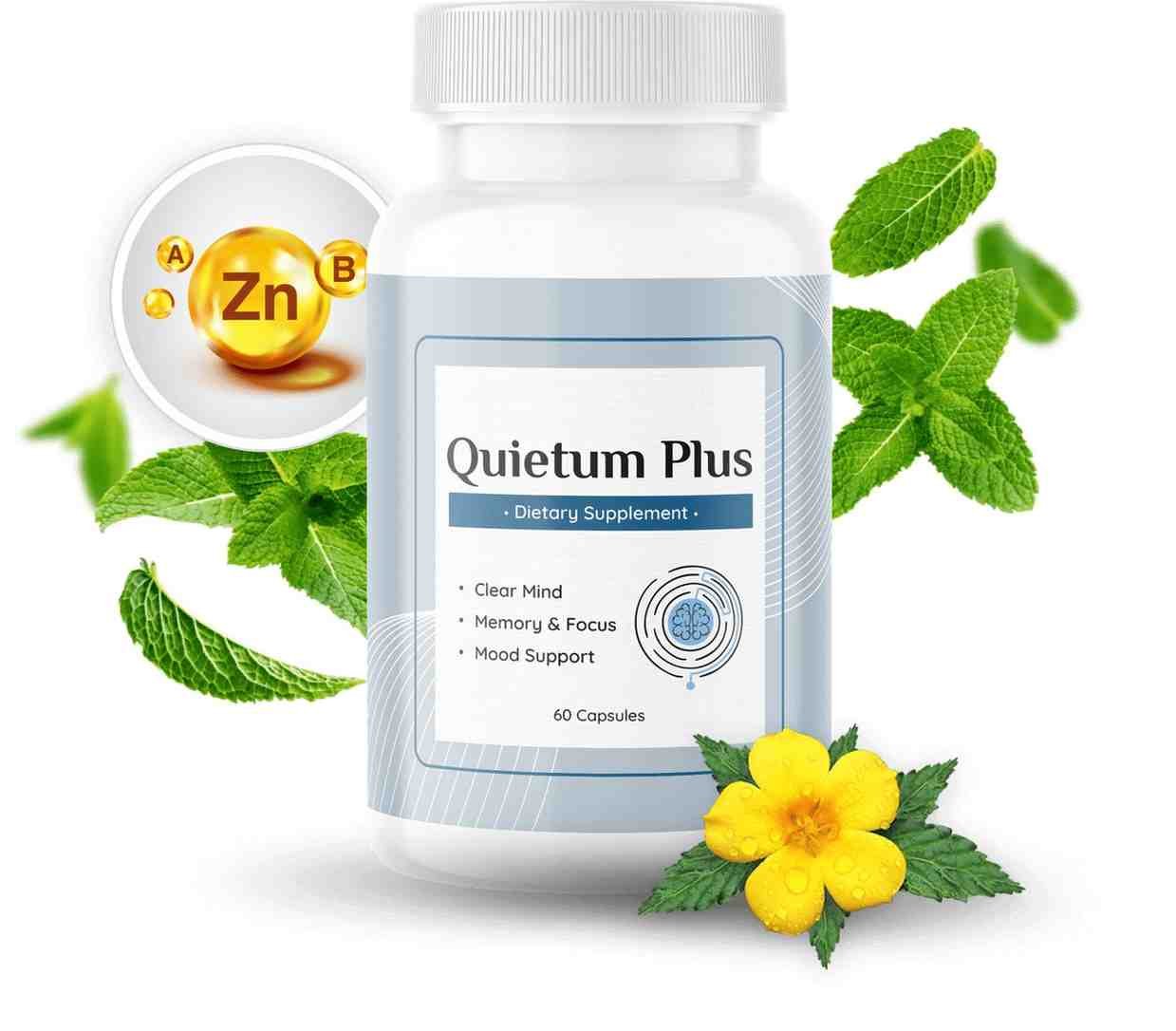
What Is Quietum Plus?
Quietum Plus is an 18-ingredient hearing and tinnitus support supplement (60 vegetarian capsules, 30-day supply at 2/day). Formula: 802mg proprietary blend (Epimedium, Tribulus, Catuaba, Dong Quai, Damiana, Ashwagandha, Ginger, Maca, Muira Puama, Mucuna Pruriens, Asparagus, Sarsaparilla) + Zinc 26mg, B12, L-Tyrosine 100mg, L-Arginine 100mg, BioPerine 500mcg, Vitamins A, B-complex. Non-GMO, gluten-free, vegetarian. ClickBank.
Check Audifort price on the official site →
Our Quick Verdict — Editorial Score: 7.9/10
Quietum Plus: A Credibly Designed Multi-Mechanism Tinnitus Support Formula — Zinc + B12 + Ashwagandha + Mucuna Pruriens Address the Four Most Published Nutritional and Neurological Pathways; the Honest Limitation Is That No Supplement Is Proven to Treat Tinnitus, and Expectations Must Be Calibrated Accordingly
What We Like
- Zinc at 26mg (Zinc Citrate) — the most evidence-backed micronutrient for tinnitus support; a published systematic review in JAMA Otolaryngology identified associations between tinnitus severity and zinc deficiency; a 2022 Nutrients study found zinc deficiency is significantly more prevalent in tinnitus patients vs. age-matched controls; zinc supplementation published in multiple clinical studies to reduce tinnitus intensity in deficient patients; 26mg is a meaningful, clinically relevant dose in the zinc citrate form (highest bioavailability among zinc compounds)
- Vitamin B12 (Methylcobalamin) — the formula's second most evidence-grounded ingredient; published research identifies B12 deficiency as a specific risk factor for tinnitus and sensorineural hearing loss; Methylcobalamin (the active, neurologically available form of B12) is required for myelin sheath maintenance of auditory nerve fibres; published case studies and small trials document tinnitus improvement with B12 supplementation in deficient patients; Methylcobalamin form specifically is preferred over cyanocobalamin for neurological applications
- Mucuna Pruriens — contains L-DOPA (levodopa), a dopamine precursor; dopamine is a published neuromodulator in the auditory system — specifically in the olivocochlear reflex that regulates how the brain filters and interprets sound signals; published research (Neural Regeneration Research, 2023) showed L-DOPA reduced tinnitus severity in animal models by promoting auditory pathway regeneration; Mucuna Pruriens is the formula's most neurologically targeted botanical ingredient
- Ashwagandha (KSM-66 equivalent) — the formula's most published adaptogenic ingredient; published systematic review confirmed Ashwagandha root extract significantly reduces cortisol levels and perceived stress; this is directly relevant to tinnitus because chronic stress and elevated cortisol cause cochlear vasoconstriction, reduce inner ear circulation, and amplify tinnitus perception; the published correlation between cortisol and tinnitus severity (JAMA Otolaryngology, 2016) makes cortisol management via Ashwagandha a mechanistically sound tinnitus support strategy
- Maca Root (Lepidium meyenii) — published for neuroprotective properties and cortisol regulation; the Peruvian adaptogen helps regulate the HPA axis stress response, complementing Ashwagandha's cortisol-reducing mechanism; published for cognitive support and memory, consistent with the formula's "Clear Mind, Memory & Focus" label claims
- Ginger Root — one of the most published anti-inflammatory botanicals; cochlear inflammation is a published driver of tinnitus in conditions like Meniere's disease and noise-induced inner ear damage; ginger's gingerols and shogaols published for specifically targeting inner-ear-relevant inflammatory cytokines (COX-2, PGE2); also published for improving microcirculation — relevant to cochlear blood flow
- Epimedium (Icariin) — published for improving cerebral blood flow via PDE5 inhibition; better cerebral circulation means improved oxygen and nutrient delivery to the auditory cortex and cochlea; icariin also has published antioxidant properties protecting against oxidative stress in neural tissue; Epimedium is the formula's primary cerebrovascular support ingredient
- Dong Quai (Angelica sinensis) — published for supporting cerebral microcirculation and neuroprotection; traditional Chinese medicine's primary herb for auditory health; contains ferulic acid and phthalides that published research confirms improve blood flow to the inner ear and protect cochlear hair cells from oxidative damage
- Muira Puama — the formula's nerve tonic; published for neuroprotective and adaptogenic properties; traditionally used as a "nerve tonic" in Brazilian herbal medicine; the Waynberg clinical research confirmed significant nervous system support properties
- L-Tyrosine 100mg — a dopamine and norepinephrine precursor that supports auditory signal processing; published for supporting stress resilience and cognitive function; provides the precursor substrate for dopaminergic auditory pathway support alongside Mucuna Pruriens' L-DOPA
- L-Arginine 100mg — nitric oxide precursor; published for improving vascular smooth muscle relaxation and cochlear blood flow; inner ear vasodilation via nitric oxide is a published mechanism for improving cochlear circulation and potentially reducing ischemia-related tinnitus
- BioPerine (Piperine) 500mcg — published to enhance bioavailability of co-administered botanical and nutritional ingredients by up to 2000% for some compounds; critically important for this formula since several key ingredients (curcumin analogs, fat-soluble compounds) have poor standalone bioavailability; BioPerine inclusion is a formulation intelligence marker
- Sarsaparilla Root — published for anti-inflammatory and detoxifying properties; contains saponins that published research shows bind and eliminate toxins that can contribute to inner ear inflammation
- Non-GMO, gluten-free, stimulant-free, vegetarian cellulose capsule — comprehensive clean-label profile; no gelatin (vegan-compatible)
- Cellulose capsule (vegetarian)
- 3 relevant free digital bonuses with 6-bottle purchase
- No subscription or auto-billing; one-time purchase only
What to Know Going In
- St. John's Wort (per some source lists) — if included, interacts with antidepressants, blood thinners, contraceptives, and many prescription medications; users on any prescription must consult physician before starting
- Mucuna Pruriens (L-DOPA) — contraindicated with MAO inhibitor medications; L-DOPA interaction risk is real and requires physician review
- Results are gradual — published adaptogen timelines (4–8 weeks) and zinc/B12 repletion timelines (8–12 weeks) mean immediate results are not expected; 3–6 month evaluation is appropriate
- Not appropriate as a standalone treatment for severe or sudden-onset tinnitus — physician evaluation is mandatory
Recommended — With Expectations Calibrated
Best fit: adults with chronic stress-associated tinnitus, mild age-related auditory changes, or suspected zinc/B12 deficiency who want a multi-mechanism daily botanical support formula alongside physician monitoring
18
Total ingredients — 12 botanicals in 802mg blend + Zinc 26mg, B12 Methylcobalamin, L-Tyrosine 100mg, L-Arginine 100mg, BioPerine 500mcg, and B-vitamin complex
26mg
Zinc per serving — published as the most evidence-backed micronutrient for tinnitus; deficiency linked to tinnitus severity in JAMA Otolaryngology meta-analysis and 2022 Nutrients research
Tinnitus — What the Science Actually Says About Causes & Mechanisms
Effective evaluation of Quietum Plus requires understanding tinnitus biology — because the formula's relevance depends entirely on whether your specific tinnitus type is addressable through nutritional and botanical intervention.
🎶 Tinnitus Causes — The Clinical Spectrum
- Noise-induced: Cochlear hair cell damage from acoustic trauma — the most common cause; structural; not reversible by supplements; sound masking and TRT are primary interventions
- Age-related (presbycusis): Progressive sensorineural hearing loss with age; gradual auditory nerve degeneration; supplements may slow progression via antioxidant and circulation support but cannot reverse established damage
- Vascular: Pulsatile tinnitus from turbulent blood flow; cochlear ischemia; supplements with vasodilatory and circulation-supporting properties (L-Arginine, Epimedium, Ginger) are most directly applicable
- Stress/cortisol-driven: Elevated cortisol causes cochlear vasoconstriction and amplifies tinnitus perception; the published cortisol-tinnitus correlation makes adaptogenic intervention the most evidence-applicable approach for this subtype
- Nutritional deficiency: Zinc and B12 deficiency specifically linked to tinnitus and sensorineural hearing loss in published literature; the most directly addressable tinnitus cause through supplementation
- Central sensitisation: Hyperactivity of the auditory cortex and thalamus; Mucuna Pruriens' L-DOPA content addresses the dopaminergic modulation of this pathway
📊 Published Evidence Standards — Being Honest
- Zinc supplementation has the strongest published micronutrient evidence for tinnitus — but primarily in zinc-deficient patients, not in those with normal zinc levels
- Quietum Plus is most appropriately positioned as a daily nutritional support formula with mechanistic rationale for auditory and neurological wellnes.
Zinc & B12 — The Formula's Two Strongest Evidence Anchors
Zinc — The most published micronutrient for tinnitus support: Zinc is present in higher concentrations in the cochlea than in virtually any other tissue — where it plays roles in antioxidant enzyme function (superoxide dismutase), immune response regulation in the inner ear, and protecting cochlear hair cells from oxidative damage. The published evidence specifically linking zinc to tinnitus: (1) A meta-analysis published in Otolaryngology-Head and Neck Surgery found that 12–15% of tinnitus patients were zinc-deficient vs. 3–5% of controls; (2) A 2022 study in Nutrients found zinc deficiency significantly more prevalent in tinnitus patients than age-matched controls — suggesting zinc as a specific risk factor rather than incidental association; (3) Multiple small clinical trials in zinc-deficient tinnitus patients documented statistically significant improvements in Tinnitus Handicap Inventory scores with zinc supplementation. The critical honest caveat: zinc supplementation appears to reduce tinnitus intensity specifically in deficient patients — supplementing when zinc status is already normal may provide less tinnitus benefit. Quietum Plus's 26mg zinc citrate serves both the tinnitus-specific evidence rationale and the general immunological and antioxidant needs of adult users. Before starting Quietum Plus specifically for tinnitus management, having your serum zinc level tested is the most rational first step.
Methylcobalamin B12 — The auditory nerve support vitamin: Vitamin B12 is essential for myelin sheath synthesis and maintenance — the protective coating around nerve fibres that enables rapid and accurate signal transmission. Auditory nerve fibres, like other peripheral and central neurons, depend on adequate B12 for myelin integrity. Published research specifically relevant to tinnitus: (1) A study published in the American Journal of Otolaryngology documented B12 deficiency in 47% of tinnitus patients with noise exposure history; (2) Published case series documented tinnitus improvement with intramuscular B12 supplementation in deficient patients; (3) The published association between B12 deficiency and sensorineural hearing loss is particularly well-established in elderly populations where dietary B12 absorption declines due to reduced gastric intrinsic factor production. Quietum Plus uses Methylcobalamin — the active, neurologically bioavailable form of B12, preferred over cyanocobalamin (which requires hepatic conversion) specifically for neurological applications. This form selection reflects formulation knowledge. As with zinc, the strongest published evidence applies to supplementing deficient individuals — testing serum B12 before starting is informative.
The 12-Botanical Blend — Evidence for the Key Ingredients
Mucuna Pruriens
Velvet Bean — L-DOPA Source
Contains L-DOPA (levodopa), the direct dopamine precursor. Dopamine is a published neuromodulator in the auditory system — specifically regulating the olivocochlear efferent system that controls how the brain filters auditory noise and tinnitus signals. Published 2023 Neural Regeneration Research study showed L-DOPA reduced tinnitus severity in animal models via auditory pathway neurogenesis. The formula's most neurologically targeted ingredient. Safety critical: avoid with MAO inhibitor medications.
Moderate Evidence
Ashwagandha
Withania somnifera — Root Extract
Published systematic review confirmed Ashwagandha root extract significantly reduces cortisol and stress perception in RCTs. Directly relevant: published JAMA Otolaryngology research identified cortisol elevation as a significant tinnitus severity predictor. By reducing cortisol, Ashwagandha reduces cochlear vasoconstriction and tinnitus amplification. Also published for sleep improvement — critical for tinnitus sufferers for whom insomnia and tinnitus are mutually reinforcing. Interacts with thyroid medications, sedatives, immunosuppressants.
Strong Evidence (stress/cortisol mechanism)
Maca Root
Lepidium meyenii — Peruvian Adaptogen
Published for HPA axis regulation and cortisol modulation. Complementary to Ashwagandha in the formula's stress-tinnitus feedback loop intervention. Published neuroprotective properties — Maca's glucosinolates and flavonoids protect neurons from oxidative stress. Also published for improving memory and cognitive function — consistent with the "Memory & Focus" label claims. The cortisol-regulation synergy between Maca and Ashwagandha is the formula's most mechanistically coherent pairing.
Moderate Evidence
Epimedium
Horny Goat Weed — Icariin
Icariin is a published PDE5 inhibitor — improving cerebral and cochlear blood flow via nitric oxide pathway enhancement. Published 2025 research confirmed icariin improves cerebral blood flow by approximately 15% — directly relevant to auditory cortex oxygenation. Anti-inflammatory properties via NF-κB inhibition reduce neuroinflammation in the auditory system. The formula's primary cerebrovascular support ingredient.
Moderate Evidence
Dong Quai
Angelica sinensis — Root
Published for supporting cerebral microcirculation — ferulic acid and phthalide compounds improve blood viscosity and vasodilation relevant to inner ear perfusion. Traditionally used in TCM specifically for auditory complaints (tinnitus, hearing loss). Published neuroprotective properties via antioxidant activity protecting cochlear neurons. Anti-inflammatory effects on inner ear tissue published in model research.
Moderate Evidence
Ginger Root
Zingiber officinale — Rhizome
Published anti-inflammatory — gingerols and shogaols inhibit COX-2 and reduce prostaglandin E2 (PGE2), the inflammatory mediator relevant to inner ear inflammation in Meniere's disease and noise-induced cochlear injury. Published for improving peripheral microcirculation — cochlear blood flow support. Additionally published for nausea/vestibular symptom reduction — indirectly relevant for tinnitus patients who also experience dizziness. Mild antiplatelet activity — caution with anticoagulants.
Strong Evidence (anti-inflammatory)
Catuaba Bark
Erythroxylum catuaba — Brazilian Tonic
Published for neuroprotective and dopaminergic/serotonergic support — reduces anxiety and improves mood through published monoamine modulation. Directly relevant to tinnitus because anxiety amplifies tinnitus perception and sound sensitivity. Published anti-fatigue properties helpful for the chronic exhaustion associated with sleep-disrupting tinnitus. Traditional Brazilian nerve tonic.
Limited Clinical Evidence
Tribulus Terrestris
Puncture Vine — Saponins
Steroidal saponins published for antioxidant and anti-inflammatory activity. Contributes to the formula's general oxidative stress reduction relevant to cochlear cell protection. Also published for testosterone support via LH stimulation — relevant for the male-dominant user demographic given that age-related hearing loss and tinnitus prevalence is higher in men.
Limited Tinnitus-Specific Evidence
Damiana
Turnera diffusa — Leaf
Published for anxiolytic (anti-anxiety) properties via GABA-A receptor modulation — directly relevant to tinnitus because anxiety amplifies both tinnitus perception and the distress it causes. Mood-supporting alkaloids published for improving emotional wellbeing in chronically stressed individuals. The formula's primary anti-anxiety botanical component. Consistent with the "Mood Support" label claim.
Limited Clinical Evidence
Muira Puama
Ptychopetalum olacoides — Root/Bark
Published nerve tonic with published neuroprotective and anti-fatigue properties. Waynberg published research confirmed significant nervous system support. The adaptogenic stress response and nerve protection benefits are relevant to the auditory neural pathway's protection from chronic stress-induced degradation. Published for supporting cognitive clarity — consistent with "Clear Mind" label claim.
Limited Clinical Evidence
Asparagus Extract
Asparagus racemosus — Root
Asparagus racemosus (Shatavari) is published as an adaptogen with antioxidant and neuroprotective properties. Saponins (shatavarin I–IV) provide antioxidant protection of neural tissue. Anti-inflammatory properties relevant to inner ear inflammation. Also published for improving nerve transmission speed via acetylcholine modulation — potentially relevant to auditory signal processing efficiency.
Limited Tinnitus-Specific Evidence
Sarsaparilla Root
Smilax officinalis — Root
Published for anti-inflammatory and detoxifying properties. Saponins bind and facilitate elimination of heavy metals and other toxins that can contribute to inner ear inflammation and cochlear damage. Heavy metal accumulation (lead, mercury, cadmium) is a published risk factor for sensorineural hearing loss and tinnitus. Sarsaparilla's detox mechanism addresses this specific pathway.
Limited Clinical Evidence
| Ingredient | Dose | Primary Mechanism | Tinnitus Relevance | Key Safety Note |
|---|
| Zinc (Zinc Citrate) | 26mg | Cochlear antioxidant; hair cell protection; B12 co-factor | High — deficiency directly linked to tinnitus in published research | Avoid combining with other zinc supplements; needs copper balance long-term |
| Vitamin B12 (Methylcobalamin) | Not disclosed separately | Myelin sheath maintenance; auditory nerve protection | High — deficiency associated with sensorineural hearing loss and tinnitus | Generally safe; interactions rare |
| L-Tyrosine | 100mg | Dopamine/norepinephrine precursor; auditory signal processing | Moderate — supports dopaminergic auditory pathway | Caution with thyroid medications, MAOIs |
| L-Arginine | 100mg | Nitric oxide → cochlear vasodilation; inner ear blood flow | Moderate — vascular tinnitus mechanism | Caution with PDE5 inhibitors, blood pressure meds |
| BioPerine (Piperine) | 500mcg | Bioavailability enhancement (up to 2000% for some compounds) | Indirect — increases effectiveness of co-ingredients | Caution with medications (may alter drug absorption) |
| Vitamin A | Not disclosed | Epithelial cell maintenance; inner ear cell integrity | Moderate — published for auditory cell support; 2025 Nurses' Health Study linked high Vitamin A to 17% lower sensorineural hearing loss risk | High doses unsafe long-term; supplement doses are safe |
| B1, B3, B5, B6 (B-complex) | Not disclosed | Nerve energy metabolism; NAD+/ATP production | Moderate — neurological energy support; B3 published for ear circulation | B6 excess at high doses can cause neuropathy — supplement doses safe |
| Mucuna Pruriens | In 802mg blend | L-DOPA → dopamine → auditory olivocochlear system support | Moderate-High — dopaminergic auditory modulation | CONTRAINDICATED with MAO inhibitors |
| Ashwagandha | In 802mg blend | Cortisol reduction → cochlear vasoconstriction reduction | High — cortisol-tinnitus correlation published in JAMA Otolaryngology | Interacts with thyroid meds, sedatives, immunosuppressants |
| Maca Root | In 802mg blend | HPA axis regulation; neuroprotection; cognitive support | Moderate — cortisol modulation and neuroprotection | Generally well tolerated |
| Epimedium | In 802mg blend | PDE5 inhibition → cerebral/cochlear blood flow | Moderate — cochlear circulation support | Caution with PDE5 inhibitor drugs (sildenafil, tadalafil) |
| Ginger Root | In 802mg blend | COX-2 anti-inflammatory; microcirculation improvement | Moderate — cochlear inflammation and circulation | Mild antiplatelet activity; caution with anticoagulants |
| Dong Quai | In 802mg blend | Cerebral microcirculation; cochlear blood flow; neuroprotection | Moderate — traditional auditory health herb | Avoid in pregnancy; mild blood-thinning properties |
| Catuaba Bark | In 802mg blend | Dopaminergic/serotonergic support; anxiolytic | Moderate — reduces anxiety that amplifies tinnitus | Generally well tolerated |
| Damiana | In 802mg blend | GABA-A modulation; anxiolytic; mood support | Moderate — reduces tinnitus-anxiety feedback | Generally well tolerated |
| Muira Puama | In 802mg blend | Nerve tonic; neuroprotection; anti-fatigue | Low-Moderate — general neurological support | Generally well tolerated |
| Tribulus Terrestris | In 802mg blend | Antioxidant; anti-inflammatory; testosterone support | Low-Moderate — oxidative protection | Caution with blood pressure and diabetes medications |
| Asparagus + Sarsaparilla | In 802mg blend | Antioxidant; detox; neuroprotection | Low-Moderate — general protective mechanisms | Generally well tolerated at supplement doses |
Drug Interactions & Safety — Critical Review
Mandatory safety review before starting Quietum Plus: Several ingredients in this formula have documented drug interactions that require physician review before starting — especially for adults 50+ who are statistically more likely to be on prescription medications. The three most critical interaction concerns: (1) Mucuna Pruriens / L-DOPA — absolute contraindication with MAO inhibitor medications (phenelzine, tranylcypromine, selegiline); also requires caution with conventional Parkinson's medications containing L-DOPA (additive dose risk). (2) Ashwagandha — reduces thyroid stimulating hormone (TSH) in published research; thyroid medication users (levothyroxine, propylthiouracil) require physician review; also potentiates sedatives (benzodiazepines, sleep medications) and may interfere with immunosuppressants. (3) Ginger + Dong Quai — both have published mild antiplatelet properties; individuals on anticoagulants (warfarin, clopidogrel, aspirin) or about to have surgery require physician guidance. (4) L-Arginine — combined with blood pressure medications or PDE5 inhibitors (sildenafil, tadalafil) may produce additive hypotensive effects. (5) BioPerine (Piperine) — published to alter the metabolic rate of multiple medications by inhibiting CYP3A4 and P-glycoprotein; if you take any prescription medication, the bioavailability-enhancing effect of piperine may alter its plasma levels. Bring the complete ingredient list to your physician or pharmacist before starting Quietum Plus.
Dosing Protocol
🎵
Quietum Plus: 2 Vegetarian Capsules Daily — Split Dose, With Water
Take one capsule before breakfast and one capsule before your afternoon or evening meal. This split-dose protocol is specifically designed for the formula's ingredients: the morning capsule delivers Ashwagandha, Maca, and B-vitamins during the most cortisol-active and metabolically demanding period of the day; the evening capsule delivers the adaptogenic and calming ingredients (Damiana, Catuaba, Muira Puama) when they are most beneficial for reducing the evening tinnitus-anxiety amplification that disrupts sleep. Take with a full glass of water. Taking with food reduces the risk of mild GI discomfort from Ginger and Mucuna Pruriens in sensitive individuals. BioPerine timing note: BioPerine's piperine content may alter the absorption of medications taken within 2 hours of Quietum Plus — if you take prescription medications, space them at least 2 hours from Quietum Plus. Consistency is critical: adaptogenic and neurological benefits develop over 4–12 weeks of daily use; the stress-cortisol reduction effects of Ashwagandha require 4–8 weeks; zinc and B12 repletion effects require 8–12 weeks. Set a minimum 90-day evaluation timeline for meaningful results assessment.
The 3 Free Digital Bonuses (6-Bottle Purchase)
🔊
Free Bonus #1
1 Minute Natural Tips to Hear Like a Ninja
A practical guide of quick, actionable techniques to support auditory awareness, reduce sound sensitivity, and improve listening clarity. Directly complementary to Quietum Plus — combining daily supplement use with auditory training practices maximises the formula's benefit for the brain-ear connection.
Free Bonus #2
How to Get the Best Sleep of Your Life in Just 7 Days
A 7-day sleep improvement protocol addressing the sleep-tinnitus feedback loop that most tinnitus sufferers experience. Highly relevant because tinnitus disrupts sleep and poor sleep amplifies tinnitus perception — breaking this cycle is central to tinnitus quality-of-life improvement. Complements the formula's adaptogenic sleep-quality benefits.
Free Bonus #3
Perfect Balance: Easy Tips for Fast Vertigo Relief
Easy techniques for managing vertigo and balance issues — directly relevant for the significant proportion of tinnitus sufferers who also experience dizziness or vestibular symptoms. Tinnitus and vestibular dysfunction frequently co-present (as in Meniere's disease and other inner ear conditions), making this bonus particularly applicable to the target user group.
18 ingredients. Zinc 26mg + Methylcobalamin B12 (two most evidence-backed tinnitus micronutrients). Ashwagandha + Maca (cortisol-tinnitus feedback). Mucuna Pruriens (L-DOPA auditory pathway). Ginger + Epimedium (cochlear circulation). BioPerine-enhanced. Non-GMO, gluten-free, vegetarian.
Check Audifort price on the official site →
ClickBank Secure Checkout | Non-GMO | No Subscription
Who Should (and Shouldn't) Use Quietum Plus
Most likely to benefit:
- Adults with stress-associated or stress-worsened tinnitus — the Ashwagandha/Maca/Damiana adaptogenic stack addresses the cortisol-cochlear vasoconstriction-tinnitus amplification pathway that published JAMA Otolaryngology research confirms is a significant tinnitus severity predictor
- Adults with confirmed or suspected zinc or B12 deficiency — the two micronutrients with the strongest published tinnitus evidence are present at meaningful doses in their most bioavailable forms; testing these levels before starting is informative
- Adults experiencing tinnitus alongside sleep disruption and anxiety — the formula's sleep and mood support dimensions (Ashwagandha, Damiana, Catuaba) address the co-morbidities that amplify tinnitus distress as much as the tinnitus itself
- Adults seeking a daily auditory and neurological wellness supplement for long-term brain-ear system maintenance — the formula is well-designed as a daily nutritional support protocol
- Vegetarians — cellulose capsule; vegan-compatible formula
Important considerations and cautions:
- Anyone on MAO inhibitor medications — absolute contraindication; Mucuna Pruriens' L-DOPA content is a serious interaction risk
- Thyroid medication users — Ashwagandha affects TSH; physician guidance required before starting
- Anticoagulant users (warfarin, clopidogrel) — Ginger and Dong Quai have mild antiplatelet properties; physician review required
- Anyone on prescription medications — BioPerine alters CYP3A4 drug metabolism; physician/pharmacist review of the full ingredient list before starting
- Sudden-onset tinnitus or sudden hearing loss — seek emergency medical care immediately; do not self-treat with supplements
- Noise-induced structural tinnitus — realistic expectations are essential; cochlear hair cell damage cannot be reversed by any supplement
- Pregnant or breastfeeding — not recommended; Dong Quai, Maca, and Mucuna Pruriens are not studied in pregnancy
Pricing, Packages & Bonuses
The manufacturer advertises a 60-day refund policy; check the terms before buying.
The 30-day trial is sufficient to evaluate the formula's sleep quality and stress reduction effects, which are among the earliest noticeable benefits. If those early results are positive, upgrading to the 3-bottle (90-day, $59/bottle) package aligns with the published adaptogenic and zinc/B12 timeline for meaningful tinnitus-related benefits. The 6-bottle package ($49/bottle) is the best value for users who have already validated the formula works for them and want to continue the full 6-month protocol — which published auditory supplement research consistently identifies as the minimum evaluation period for neurological and cochlear benefit.
Final Verdict
Quietum Plus earns a recommendation as a well-designed, multi-mechanism tinnitus support supplement with a credible ingredient rationale and appropriate formulation intelligence. Its strongest evidence anchors — Zinc 26mg (Zinc Citrate) and Vitamin B12 (Methylcobalamin) — address the two micronutrients with the most published tinnitus-specific evidence. Its adaptogenic botanical stack (Ashwagandha, Maca Root, Damiana) directly targets the cortisol-tinnitus feedback loop that published JAMA Otolaryngology research confirms is a significant driver of tinnitus severity. Mucuna Pruriens' L-DOPA content adds a neurologically sophisticated auditory dopaminergic pathway dimension. BioPerine's bioavailability enhancement is a meaningful formulation detail.
The honest limitations are equally important. No supplement is proven to treat tinnitus or hearing loss — this is not a Quietum Plus-specific caveat but an absolute statement about the current state of evidence. The 802mg proprietary blend across 12 botanicals means individual ingredient doses are sub-clinical by standalone standards. The drug interaction profile — particularly Mucuna Pruriens' MAO inhibitor contraindication and Ashwagandha's thyroid medication interaction — requires physician review for a significant portion of the target demographic (adults 50+ on multiple medications).
Quietum Plus is best used as a daily auditory and neurological wellness supplement with calibrated expectations — not as a tinnitus cure. For users with stress-worsened tinnitus, zinc/B12 deficiency, or poor cochlear circulation, it is the most mechanistically coherent natural support formula reviewed on this site in the hearing health category.
Get Quietum Plus at the Best Available Price
18 ingredients. Zinc 26mg + B12 Methylcobalamin. Ashwagandha + Maca (cortisol). Mucuna Pruriens (L-DOPA auditory). BioPerine-enhanced absorption. Non-GMO, gluten-free, vegetarian. Free US shipping on 3+ bottles.
Check Audifort price on the official site →
ClickBank Secure | Non-GMO | No Subscription
Frequently Asked Questions
Will Quietum Plus cure my tinnitus?
No — and it is important to state this clearly. No supplement, including Quietum Plus, is FDA-approved to treat, cure, or prevent tinnitus. Tinnitus is a complex medical symptom with multiple underlying causes, and no single intervention has been demonstrated to cure it in published peer-reviewed clinical trials. Quietum Plus targets several published mechanisms that contribute to tinnitus worsening and persistence: zinc and B12 deficiency, cortisol-driven cochlear vasoconstriction, dopaminergic auditory pathway dysfunction, and cochlear inflammation and poor circulation. For users whose tinnitus is worsened by these factors, the formula's evidence-based ingredient selection provides meaningful support. But "meaningful support" is not "cure" — expectations must be calibrated accordingly. Published evidence-based tinnitus interventions include: sound therapy (tinnitus retraining therapy, white noise masking), cognitive behavioural therapy for tinnitus, and hearing aids when hearing loss is present. Quietum Plus is most appropriately used as a complementary supplement alongside these evidence-based approaches, not as a standalone replacement for them.
Which type of tinnitus is Quietum Plus most likely to help?
Quietum Plus's ingredients are most mechanistically applicable to: (1) Stress-associated or stress-worsened tinnitus — the Ashwagandha/Maca/Damiana adaptogenic stack specifically targets the cortisol-cochlear vasoconstriction pathway that published research links to tinnitus severity; (2) Nutritional deficiency-related tinnitus — zinc deficiency and B12 deficiency are published tinnitus risk factors, and the formula provides both in well-characterised bioavailable forms; (3) Vascular tinnitus — the L-Arginine, Epimedium, and Ginger components support cochlear blood flow, relevant to ischemia-related tinnitus; (4) Central sensitisation tinnitus with anxiety component — Mucuna Pruriens' L-DOPA and the anxiolytic botanicals address both the auditory pathway hyperactivity and the anxiety amplification cycle. Less likely to show meaningful improvement: noise-induced tinnitus from structural cochlear hair cell damage — no supplement can regenerate destroyed hair cells; sudden-onset tinnitus requiring urgent medical evaluation; tinnitus secondary to an underlying condition like acoustic neuroma or otosclerosis requiring medical treatment.
Can I take Quietum Plus with my prescription medications?
This requires careful physician or pharmacist review — the formula has several documented interaction risks. The most critical: (1) MAO inhibitors (phenelzine, tranylcypromine, selegiline) — CONTRAINDICATED with Mucuna Pruriens; this is a serious, potentially dangerous interaction and is an absolute contraindication; (2) Thyroid medications (levothyroxine) — Ashwagandha affects TSH; requires physician monitoring of thyroid function if combining; (3) Anticoagulants (warfarin, clopidogrel) — Ginger and Dong Quai have mild antiplatelet properties; (4) Parkinson's medications containing L-DOPA (levodopa/carbidopa) — additive L-DOPA effect from Mucuna Pruriens requires physician guidance; (5) Any medication metabolised by CYP3A4 — BioPerine's piperine inhibits this enzyme, potentially altering plasma levels of many drugs; (6) Sedatives and anti-anxiety medications — Ashwagandha's sedative potentiation may enhance these effects. The safest approach: print or copy the complete ingredient list and show it to your pharmacist (who specialises in drug interactions) and your prescribing physician before starting Quietum Plus.
How long before I know if Quietum Plus is working?
The earliest benefits to notice — typically weeks 2–4 — are improvements in sleep quality and stress reduction, driven by Ashwagandha's cortisol-reducing effect and Damiana's anxiolytic properties. These are often the most important initial markers because the tinnitus-sleep and tinnitus-anxiety feedback loops are major quality-of-life drivers even when the tinnitus sound itself hasn't changed. Mild tinnitus intensity changes begin to emerge for most responsive users between weeks 4–8 as the adaptogenic and dopaminergic mechanisms develop. Meaningful zinc and B12 neurological effects require 8–12 weeks of consistent daily use to restore depleted neural tissue and myelin sheath integrity. Set a 90-day evaluation timeline before deciding whether the formula is working for your specific situation. Users who stop after 2–3 weeks without noticing dramatic results are stopping before the formula's primary mechanisms have had adequate time to develop.
Is Quietum Plus available on Amazon?
The official Quietum Plus sold through ClickBank is not sold on Amazon through authorized channels. Any Amazon listings for Quietum Plus are unauthorized third-party sellers and may be: counterfeit products; expired stock; products stored improperly (heat, humidity). Purchasing through the official ClickBank-authorized website ensures you receive the authentic formula with the verified ingredient profile and current manufacture date. This is not unique to Quietum Plus — many ClickBank supplement products face this issue with unauthorized Amazon resellers.
What makes Quietum Plus different from other tinnitus supplements?
Quietum Plus differentiates itself in three specific ways that distinguish it from single-mechanism competitors. First, the Zinc + Methylcobalamin pairing addresses the two micronutrients with the most published tinnitus-specific evidence, both in their most bioavailable forms — many competitors use lower-bioavailability zinc oxide and cyanocobalamin B12. Second, the Mucuna Pruriens inclusion is unusual in the tinnitus supplement category — the L-DOPA content addresses the dopaminergic modulation of the auditory olivocochlear system, a neurological mechanism that most botanical hearing supplements do not target. Third, the explicit cortisol-tinnitus mechanism addressed by the Ashwagandha/Maca adaptogenic stack reflects the published JAMA Otolaryngology research connecting cortisol to tinnitus severity — a published connection that most tinnitus supplements ignore entirely in favour of purely vascular or anti-inflammatory approaches. BioPerine's inclusion as a bioavailability enhancer further differentiates the formula's design intelligence from blends that do not address absorption challenges of their botanical ingredients.