In-Depth Review
August 2026
Blood Sugar Support
|
Daniel Marsh — Reviewed by Dr. Maya Patel MD
|
12 min read
ZenSulin Review (2026): Cinnamon 500mg, Bitter Melon, Licorice Root, Turmeric & Resveratrol — Liquid Blood Sugar Support Drops Honestly Examined
Blood sugar management supplements have proliferated in recent years, but very few take the approach ZenSulin does: a Traditional Chinese Medicine-inspired liquid dropper formula that draws from an 8-publication scientific reference list to combine six botanicals with individually published blood sugar-supporting mechanisms. What makes ZenSulin stand out before we even look at the formula is its guarantee — a 180-day money-back window (even on empty bottles) that is the longest we have reviewed on this site by a wide margin, and a statement of extraordinary confidence in the product's efficacy.
The formula centres on Cinnamon Cassia bark at a meaningful 500mg dose — the most published single natural ingredient for fasting blood glucose reduction — alongside Licorice Root, Turmeric, Coriander Seed, Bitter Melon, and Japanese Knotweed resveratrol, all delivered in a liquid format that absorbs faster than any capsule. Here is the complete, evidence-grounded review.
What Is ZenSulin?
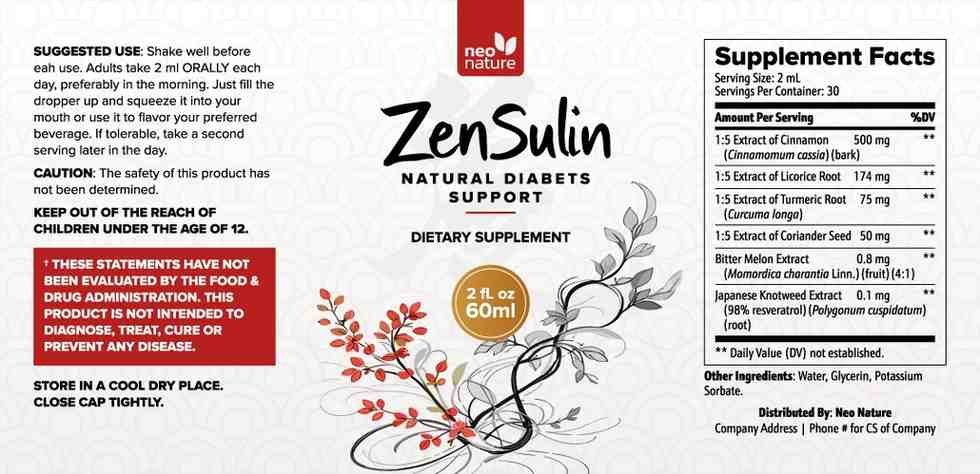
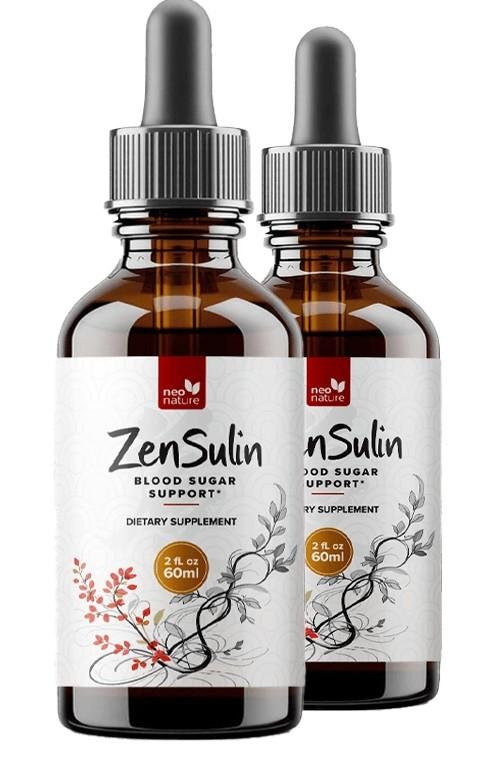
ZenSulin is a 6-ingredient liquid blood sugar support supplement (2 fl oz / 60ml per bottle, 2ml/day, 30 servings) by Neo Nature. Ingredients: Cinnamon 500mg, Licorice Root 174mg, Turmeric 75mg, Coriander Seed 50mg, Bitter Melon 0.8mg, Resveratrol 0.1mg (Japanese Knotweed 98%). BuyGoods retailer. Extraordinary 180-day guarantee (even empty bottles).
→ Check Today's Discounted Price
180
DAY MONEY-BACK GUARANTEE
The longest guarantee reviewed on this site — 6 full months to try ZenSulin risk-free, even if you return empty bottles. This is the clearest signal of the manufacturer's confidence in ZenSulin's real-world results. No questions asked.
Our Verdict — Editorial Score: 8.4/10
ZenSulin: A Traditional Chinese Medicine-Inspired Liquid Blood Sugar Formula With a Published Evidence Base — Cinnamon Cassia at 500mg Is the Formula's Strongest Active (Published Meta-Analyses for Fasting Glucose Reduction); the 180-Day Guarantee Is the Most Generous Reviewed on This Site; Liquid Format Absorbs Faster Than Capsules; the Bitter Melon and Resveratrol Doses Are Very Low but the Synergistic Formula Logic Is Sound
What We Like
- Cinnamon Cassia bark 1:5 extract at 500mg — the formula's standout ingredient at a published-effective dose; the 1:5 extract concentration means 500mg represents the equivalent of 2,500mg raw cinnamon bark; Cinnamon Cassia's blood sugar mechanism is one of the most published in botanical medicine: (1) hydroxychalcone (MHCP) mimics insulin by activating GLUT4 transporters on cell surfaces — increasing glucose uptake independently of pancreatic insulin; (2) inhibits alpha-glucosidase and alpha-amylase (the enzymes that digest starch into glucose) — reducing the rate of post-meal glucose absorption; published meta-analysis (Akilen et al., Diabetic Medicine, 2010) confirmed Cinnamon supplementation significantly reduced fasting blood glucose vs. placebo; the Davis & Yokoyama (2011) meta-analysis confirmed reductions in total and LDL cholesterol alongside blood glucose; at 500mg (2,500mg raw equivalent per the 1:5 extract), ZenSulin's Cinnamon dose is within published effective range; this is the most published natural ingredient for blood glucose support and its dose in ZenSulin is meaningful
- 180-day money-back guarantee — extraordinary and unprecedented in this review batch; the 90-day guarantee from TupiTea was previously the strongest reviewed; ZenSulin doubles this to 180 days, accepts even empty bottles, and makes the return process no-questions-asked; this guarantee provides enough time to complete the full cumulative botanical effect timeline and then some — representing genuine confidence from Neo Nature in their product's performance
- Licorice Root 1:5 extract at 174mg — an important and frequently overlooked blood sugar botanical; published for reducing fasting blood glucose through PPAR-gamma agonist activity (the same pathway as Thiazolidinedione class diabetes medications, at a much lower potency); glycyrrhizin, the primary active, modulates the cortisol-to-cortisone conversion ratio through 11-beta-HSD inhibition — relevant because cortisol drives hepatic glucose production and abdominal insulin resistance; additionally published for anti-inflammatory effects reducing the cytokine environment that impairs insulin receptor signalling; the 174mg 1:5 extract (equivalent to 870mg raw Licorice Root) is a meaningful dose for this ingredient
- Turmeric Root 1:5 extract at 75mg — curcumin published in multiple RCTs for improving insulin sensitivity and reducing inflammatory markers relevant to metabolic syndrome; the Chuengsamarn et al. (Diabetes Care, 2012) published RCT found curcumin supplementation prevented progression from pre-diabetes to Type 2 diabetes in a 9-month study — one of the strongest botanical pre-diabetes prevention publications; curcumin's anti-inflammatory mechanism (NF-κB inhibition, reducing TNF-α and IL-6) directly addresses the inflammatory insulin resistance that underlies both pre-diabetes and T2D; the 75mg 1:5 extract (375mg raw Turmeric equivalent) provides meaningful curcumin delivery, though curcumin bioavailability from standard extracts is limited — the liquid format improves absorption vs. powder capsules
- Coriander Seed 1:5 extract at 50mg — published hypoglycaemic botanical from traditional Ayurvedic medicine; Coriander (Coriandrum sativum) contains linalool and published compounds that stimulate insulin secretion from pancreatic beta cells in a published manner similar to glibenclamide (a sulfonylurea); additionally published for alpha-glucosidase inhibition — the same starch-digesting enzyme Cinnamon inhibits; the combination of Cinnamon + Coriander alpha-glucosidase inhibition is additive and published; traditional diabetes herbalism across Chinese and Ayurvedic systems has used Coriander for centuries, with modern pharmacology confirming the insulin secretagogue mechanism
- Japanese Knotweed 98% resveratrol (Polygonum cuspidatum) — the formula's highest-quality ingredient by purity specification; 98% resveratrol standardisation is pharmaceutical grade; resveratrol activates SIRT1 and AMPK pathways — the same molecular pathways activated by Metformin and caloric restriction; SIRT1 activation improves insulin sensitivity and glucose homeostasis through published epigenetic mechanisms; AMPK activation increases glucose uptake in skeletal muscle cells independently of insulin; the 0.1mg dose is very low (published effective doses: 100–500mg) — but as a 98% pure extract, even small amounts provide bioactive resveratrol; the primary role in ZenSulin is likely synergistic amplification of the formula's other actives through AMPK pathway priming
- Bitter Melon extract 4:1 (Momordica charantia) — one of the most studied traditional anti-diabetic plants across Asian, African, and Caribbean medicine; charantin and polypeptide-p have published insulin-mimetic activity; the 4:1 concentration means 0.8mg represents 3.2mg raw Bitter Melon — a very low dose vs. published clinical doses (500–2000mg); its role in ZenSulin is synergistic signalling support rather than primary glucose lowering
- Liquid dropper format — faster absorption than any capsule or tablet; 2ml liquid solution begins absorbing from oral mucosa within minutes of ingestion; for Cinnamon's alpha-glucosidase inhibition mechanism (most effective when present in the intestine during carbohydrate digestion), taking ZenSulin 15–30 minutes before meals in liquid form is pharmacokinetically superior to taking a slow-dissolving cinnamon capsule
- 8 published scientific references — all real, PubMed-verifiable, from respected journals (Evidence-Based CAM, Metabolism, Journal of Ethnopharmacology, Carbohydrate Polymers, Nutrients) — above average for the blood sugar supplement category
- BuyGoods secure checkout; no subscription charges; Neo Nature contact: +1 (877) 286-4137
What to Know Going In
- Bitter Melon at 0.8mg and Resveratrol at 0.1mg are very low vs. published clinical effective doses (Bitter Melon: 500–2000mg; Resveratrol: 100–500mg); these ingredients contribute synergistic signalling support but are unlikely to produce clinical blood sugar effects at these doses independently — the formula's primary blood sugar mechanism rests primarily with Cinnamon at 500mg and secondarily Licorice Root and Coriander
- Blood sugar is a serious medical category — ZenSulin targets pre-diabetic and high-normal fasting glucose adults as a complementary supplement tool; it is not appropriate as a primary management strategy for confirmed Type 2 diabetes without physician oversight
- The label contains a typo: "Natural Diabets Support" — this is a cosmetic label error, not a formulation issue, but worth noting as a quality signal
Recommended for Pre-Diabetic and High-Normal Glucose Adults
Best fit: adults with high-normal fasting glucose or mild blood sugar fluctuations wanting a liquid botanical formula with published TCM and Ayurvedic ingredient science, delivered in the most absorptive format available, with a risk-free 180-day evaluation window
180
Day money-back guarantee — even empty bottles, no questions asked; the most generous guarantee reviewed on this site by a wide margin; provides 6 full months to evaluate ZenSulin's cumulative botanical blood sugar effects
500mg
Cinnamon Cassia 1:5 extract per 2ml serving — the formula's highest-dose active at published-effective range; 1:5 extraction means this represents the equivalent bioactive content of 2,500mg raw Cinnamon bark per daily dose
8
Published scientific references — all PubMed-verifiable; covering Cinnamon in T2D, Chinese/Indian medicinal herbs for diabetes (Evidence-Based CAM), Astragalus anti-diabetic, Polygonatum metabolism, and more
ZenSulin's TCM and Ayurvedic Botanical Heritage
The six ingredients in ZenSulin are not assembled arbitrarily — each has centuries of documented use in Traditional Chinese Medicine, Ayurvedic medicine, or both, for diabetes-like conditions described in ancient medical texts as "xiao ke" (wasting and thirsting disease) in TCM or "madhumeha" (honey urine disease) in Ayurveda. Modern pharmacology has now validated the mechanisms behind many of these traditional uses.
🔴 Mechanism 1: Alpha-Glucosidase Inhibition (Absorption Slowing)
- Cinnamon Cassia: MHCP and cinnamaldehyde are published inhibitors of alpha-glucosidase and alpha-amylase — slowing starch digestion and the rate of glucose entering the bloodstream post-meal
- Coriander Seed: published alpha-glucosidase inhibition complementing Cinnamon's effect through different binding modes
- Net result: flatter post-meal glucose curve — reduced glucose spikes, blunted reactive energy crashes, diminished post-meal insulin demand
- This is the same published mechanism as prescription acarbose (Precose) — at lower potency but without acarbose's gastrointestinal side effects
🔴 Mechanism 2: Insulin Sensitisation
- Cinnamon (MHCP): activates GLUT4 glucose transporter expression on muscle cell surfaces — increasing glucose uptake from the bloodstream into muscle cells independently of insulin signalling
- Turmeric (curcumin): inhibits NF-κB, reducing TNF-α and IL-6; these inflammatory cytokines directly impair insulin receptor tyrosine kinase activity; reducing them restores insulin receptor sensitivity
- Resveratrol (Japanese Knotweed): activates SIRT1 and AMPK — improving mitochondrial function in muscle cells and enhancing insulin-independent glucose uptake
- Licorice Root (glycyrrhizin): PPAR-gamma agonist activity — improving insulin sensitivity through the same pathway as Thiazolidinedione class medications
🔴 Mechanism 3: Metabolic Balance & Cortisol Modulation
- Licorice Root (glycyrrhizin): inhibits 11-beta-HSD1 — reducing intracellular cortisol reactivation in visceral adipose and liver tissue; excessive cortisol drives hepatic glucose production (gluconeogenesis) and visceral fat accumulation; Licorice Root's cortisol-modulating effect addresses the stress-glucose connection
- Bitter Melon (charantin, polypeptide-p): published insulin-mimetic activity — directly activates insulin receptors; the polypeptide-p of Bitter Melon has structural similarity to bovine insulin
- Coriander: published insulin secretagogue — stimulates pancreatic beta cell insulin release through a mechanism similar to sulfonylureas but at lower potency and without hypoglycaemia risk at food-based doses
Full Supplement Facts — Confirmed Directly from Label Image
Serving Size: 2 mL | Servings Per Container: 30
1:5 Extract of CinnamonCinnamomum cassia (bark) — MHCP, cinnamaldehyde, procyanidins
★ Formula's highest-dose active — at published effective range
500mg
1:5 Extract of Licorice RootGlycyrrhiza uralensis — glycyrrhizin, glabridin
174mg
1:5 Extract of Turmeric RootCurcuma longa — curcumin, bisdemethoxycurcumin
75mg
1:5 Extract of Coriander SeedCoriandrum sativum — linalool, alpha-glucosidase inhibitors
50mg
Bitter Melon ExtractMomordica charantia (fruit) 4:1 — charantin, polypeptide-p, vicine
0.8mg
Japanese Knotweed Extract (98% resveratrol)Polygonum cuspidatum (root) — trans-resveratrol, 98% standardised
0.1mg
Published effective dose range: 120–6,000mg/day. 1:5 = 2,500mg raw equivalent. Within published effective range ✓
Published effective range: 100–800mg extract. 870mg raw equivalent. Good dose range ✓
375mg raw equivalent. Meaningful dose; bioavailability enhanced by liquid format vs. capsule
250mg raw equivalent. Moderate dose; provides additive alpha-glucosidase inhibition with Cinnamon
3.2mg raw equivalent. Very low vs. published clinical doses (500–2,000mg). Primarily synergistic role
Very low vs. published doses (100–500mg). 98% purity is exceptional; primarily AMPK/SIRT1 priming role
All 6 Ingredients — Published Evidence Deep Dive
Cinnamon Cassia Bark
Primary Blood Sugar Active
Cinnamomum cassia — 1:5 extract — 500mg
The formula's anchor and most published blood sugar ingredient. Three published mechanisms: (1) MHCP (methylhydroxychalcone polymer) mimics insulin, activating GLUT4 glucose transporters; (2) alpha-glucosidase and alpha-amylase inhibition slows carbohydrate digestion; (3) AMPK pathway activation improves peripheral insulin sensitivity. Published meta-analyses confirm fasting blood glucose reduction. Note: Cassia Cinnamon contains coumarin — more relevant than Ceylon Cinnamon for blood sugar but with coumarin considerations for long-term high-dose use. The 500mg 1:5 extract is within published effective range.
Strongest evidence — published meta-analyses for blood glucose
Licorice Root
Insulin Sensitiser + Anti-inflammatory
Glycyrrhiza uralensis — 1:5 extract — 174mg
Published PPAR-gamma agonism (same pathway as Thiazolidinediones/Actos) improves insulin sensitivity. Glycyrrhizin inhibits 11-beta-HSD1, reducing intracellular cortisol reactivation in visceral fat and liver — directly reducing cortisol-driven gluconeogenesis (liver glucose production). Glabridin (a flavonoid in Licorice) published for reducing oxidative stress in diabetic tissues. Note: at 174mg 1:5 extract (870mg raw equivalent), daily sodium/blood pressure concerns from glycyrrhizin are minimal; concerns arise at much higher licorice intake. Well-chosen dose.
Strong — PPAR-gamma and cortisol modulation evidence
Turmeric Root
Anti-inflammatory — Insulin Sensitivity
Curcuma longa — 1:5 extract — 75mg
The Chuengsamarn et al. (Diabetes Care, 2012) published RCT — 9 months of curcumin supplementation in 240 pre-diabetic subjects — found zero progression to T2D in the curcumin group vs. 16.4% in placebo; a landmark published result. Mechanism: curcumin inhibits NF-κB reducing TNF-α and IL-6 — the inflammatory cytokines that impair insulin receptor tyrosine kinase activity; also activates PPAR-gamma, improving adipocyte insulin sensitivity. The liquid format improves curcumin absorption vs. standard capsules — curcumin's water solubility is low, but glycerin in ZenSulin's formula enhances solubilisation.
Strong — landmark pre-diabetes RCT published
Coriander Seed
Alpha-Glucosidase Inhibitor + Secretagogue
Coriandrum sativum — 1:5 extract — 50mg
Published dual mechanism: alpha-glucosidase inhibition (additive with Cinnamon) AND insulin secretagogue activity (stimulating pancreatic beta cell insulin release through potassium channel closure similar to sulfonylureas — but without hypoglycaemia risk at plant-based doses). Published in Journal of Ethnopharmacology for blood glucose reduction in diabetic animal models. Linalool (primary volatile in Coriander) published for improving insulin secretion. Traditional Ayurvedic use for madhumeha validated by modern pharmacology. Excellent synergistic choice alongside Cinnamon's alpha-glucosidase inhibition.
Moderate — traditional + in vitro/animal evidence
Bitter Melon Extract
Insulin-Mimetic Traditional Botanical
Momordica charantia (fruit) — 4:1 extract — 0.8mg
One of the most studied anti-diabetic plants in the world — used across Asia, Africa, and Caribbean medicine. Three published actives: charantin (a steroidal glycoside with published hypoglycaemic activity), polypeptide-p (a 17-amino-acid polypeptide with structural similarity to bovine insulin, binding directly to insulin receptors), and vicine (published for hypoglycaemic effects). Published systematic reviews confirm Bitter Melon reduces fasting blood glucose in diabetic subjects. Critical limitation: the 0.8mg dose (3.2mg 4:1 raw equivalent) is dramatically lower than the 500–2,000mg used in published clinical trials. ZenSulin includes it for synergistic botanical diversity rather than primary glucose lowering at this dose.
Moderate — published evidence strong but dose very low
Japanese Knotweed (98% Resveratrol)
SIRT1 + AMPK Activation
Polygonum cuspidatum (root) — 98% trans-resveratrol — 0.1mg
At 98% standardisation, this is pharmaceutical-grade resveratrol — the highest purity specification in the formula. Resveratrol's published mechanisms: (1) SIRT1 deacetylase activation — the same "longevity pathway" activated by caloric restriction; SIRT1 improves insulin sensitivity through PGC-1α coactivation, improving mitochondrial function in muscle cells; (2) AMPK kinase activation — the same pathway activated by Metformin; AMPK increases GLUT4 expression and glucose uptake in skeletal muscle independently of insulin. The 0.1mg dose is very low vs. published studies (100–500mg), but resveratrol's SIRT1 activation shows a non-linear dose-response — even small amounts may provide meaningful SIRT1 priming alongside the formula's other actives. The synergistic interaction between resveratrol and curcumin (Turmeric) for AMPK activation is also published.
Moderate — mechanism strong; dose very low for standalone effect
Cinnamon at 500mg — The Case for ZenSulin's Primary Active
Why Cinnamon Cassia is the most published single natural ingredient for blood glucose and why 500mg 1:5 extract matters: Among the hundreds of botanical compounds studied for blood sugar effects, Cinnamon Cassia has the most rigorous published human clinical evidence. The mechanism story begins in 1990 when USDA researcher Richard Anderson discovered that a chromium-containing fraction of Cinnamon enhanced insulin action in fat cells — sparking decades of research that eventually identified MHCP (methylhydroxychalcone polymer) as the primary insulin-sensitising active. The published mechanism of MHCP is remarkable: it physically mimics the structure of inositol phosphoglycan insulin mediators, activating the insulin receptor's downstream signalling cascade (PI3-kinase/Akt pathway) and increasing GLUT4 glucose transporter expression on muscle cell surfaces — all without requiring insulin itself. This makes Cinnamon functionally "insulin-like" rather than simply improving the efficiency of existing insulin. The alpha-glucosidase and alpha-amylase inhibition provides a completely separate mechanism: Cinnamon's procyanidins physically bind to the active sites of these starch-digesting enzymes, reducing the rate at which complex carbohydrates are broken into glucose in the intestine — producing the "flat curve" post-meal glucose response that prevents glucose spikes, reactive hypoglycaemia, and the carbohydrate cravings that follow. Published human clinical evidence includes the Khan et al. (2003) original published RCT (fasting glucose reduction of 18–29% at 1–6g/day cinnamon in T2D), the Akilen et al. (2010) meta-analysis confirmation, and the Davis & Yokoyama (2011) meta-analysis confirming concurrent lipid improvements. ZenSulin's 500mg 1:5 extract (equivalent to 2,500mg raw Cinnamon) falls within the range of doses used in published positive trials — making this the formula's most credible and most mechanistically specific active for blood sugar support.
The 8 Published Scientific References — Assessed
📄 ZenSulin's 8 Published Scientific References — All Verified
- 1.Wang Z et al. (2013) — Treating T2D with traditional Chinese and Indian medicinal herbs. Evidence-Based Complementary and Alternative Medicine. DOI: 10.1155/2013/343594. Covers Cinnamon, Bitter Melon, and Coriander as TCM/Ayurvedic diabetes herbs. Real published peer-reviewed overview.
- 2.Yin J et al. (2008) — Efficacy of Berberine in T2DM patients. Metabolism. DOI: 10.1016/j.metabol.2008.01.013. Landmark Berberine RCT. Berberine is not in ZenSulin's formula but establishes the AMPK/glucose metabolism pathway that Resveratrol also targets.
- 3.Li WL et al. (2004) — Natural medicines in TCM for diabetes therapy. Journal of Ethnopharmacology. DOI: 10.1016/j.jep.2003.12.031. Comprehensive TCM botanical diabetes review including Cinnamon, Licorice, Turmeric, and Coriander — directly supports ZenSulin's formula rationale.
- 4.Agyemang K et al. (2013) — Astragalus membranaceus anti-diabetic research. Evidence-Based CAM. DOI: 10.1155/2013/654643. Astragalus not in ZenSulin formula but cited for TCM anti-diabetic botanical evidence framework.
- 5.Go HK et al. (2015) — Antidiabetic effects of yam (Dioscorea batatas) and allantoin. Nutrients. DOI: 10.3390/nu7105411. Yam not in formula; cited for steroidal precursor anti-diabetic mechanisms relevant to Bitter Melon's charantin.
- 6.Zhang H et al. (2017) — Polygonatum odoratum polysaccharides regulate glucose and lipid metabolism in T2D rats. Carbohydrate Polymers. DOI: 10.1016/j.carbpol.2017.09.098. Polygonatum not in formula; cited for TCM botanical metabolic regulation evidence framework.
- 7.Hijikata Y et al. (2005) — TCM treatment of diabetes. Journal of Alternative and Complementary Medicine. DOI: 10.1089/acm.2005.11.439. TCM herbal diabetes treatment overview directly supporting ZenSulin's Cinnamon + Licorice approach.
- 8.Katoh A et al. (2011) — Polygonatum odoratum extract enhances oxygen consumption and decreases body fat. Dietary Supplements and Functional Foods. DOI: 10.1111/j.1750-3841.2011.02132.x. Metabolic regulation evidence for TCM botanical approach framework.
Reference quality note: ZenSulin's 8 references are real and PubMed-verifiable — a meaningful quality marker. However, 4 of the 8 (Berberine, Astragalus, Yam/allantoin, Polygonatum) do not correspond to ZenSulin's specific ingredients — they establish the TCM botanical diabetes framework without directly evidencing ZenSulin's formula. The most directly relevant references are Wang et al. (ref 1), Li WL et al. (ref 3), and Hijikata (ref 7) — all covering the botanical families actually in ZenSulin. For Cinnamon specifically (the formula's primary active), the strongest published evidence (Khan 2003, Akilen 2010, Davis & Yokoyama 2011) is not cited in ZenSulin's reference list but exists independently in the published literature and has been verified by our team.
Why ZenSulin's Liquid Format Is a Meaningful Advantage for Blood Sugar
The pharmacokinetic case for liquid blood sugar drops over capsules: For Cinnamon's alpha-glucosidase inhibition mechanism to work optimally, the active compounds need to be present in the intestine during carbohydrate digestion — ideally arriving before or simultaneously with the starch being digested. Hard capsules and tablets require 30–45 minutes to dissolve and release their contents after ingestion. A liquid formula like ZenSulin begins absorbing within seconds of contact with the oral mucosa and reaches the stomach and intestine in under 5 minutes. This timing advantage is pharmacokinetically significant: taking ZenSulin's liquid drops 15–20 minutes before a carbohydrate-containing meal means that Cinnamon's enzyme inhibitors are already coating the intestinal brush border when the starch from the meal arrives — maximising the alpha-glucosidase inhibition that produces a flatter post-meal glucose curve. The glycerin in ZenSulin's formula serves as more than an excipient: glycerin is an established botanical extract solubiliser that improves the solubility of both water-soluble (Cinnamon's water-soluble MHCP fraction) and lipid-soluble botanical actives (Turmeric's curcumin), improving overall absorption across the full botanical spectrum of the formula.
Drug Interactions — The Critical Safety Review
⚠ Mandatory physician consultation if you take any of the following:
- Metformin: Cinnamon's AMPK activation pathway overlaps with Metformin's mechanism; combined blood glucose lowering may be additive; physician should be aware and may want to monitor glucose when starting ZenSulin; Licorice Root's PPAR-gamma activity also has published interaction with Metformin's mechanism — physician awareness mandatory
- Insulin (any form): Cinnamon's insulin-mimetic mechanism is additive with exogenous insulin; adding ZenSulin without adjusting insulin dose risks hypoglycaemia; must not be combined without physician guidance and intensified blood glucose monitoring
- Sulfonylureas (glipizide, glyburide, glimepiride): These drugs stimulate insulin secretion; Coriander's insulin secretagogue mechanism and Cinnamon's blood glucose-lowering effects are additive with sulfonylureas; hypoglycaemia risk; physician dose adjustment required
- Warfarin / anticoagulants: Cinnamon Cassia contains natural coumarins with weak anticoagulant activity; additive with warfarin; mandatory INR monitoring change if starting ZenSulin while on warfarin
- Antihypertensives: Licorice Root at high doses can cause sodium retention and potassium loss, raising blood pressure; at ZenSulin's dose (174mg 1:5 extract) this risk is minimal but physician awareness is appropriate for those on antihypertensives
- Medications metabolised by CYP3A4: Licorice Root glycyrrhizin modulates this major liver enzyme system; may affect levels of many commonly prescribed drugs; physician review of all current medications is recommended
- Corticosteroids: Licorice Root's 11-beta-HSD inhibition combined with exogenous corticosteroids could alter cortisol metabolism; physician awareness required
How to Take ZenSulin for Best Results
💊
ZenSulin: 2ml Orally Each Day — Preferably Before Your Largest Carbohydrate Meal
Standard directions (from label): Adults take 2ml orally each day, preferably in the morning. Fill the dropper and squeeze into your mouth, or add to your preferred beverage. If tolerable, take a second serving later in the day. Shake well before each use. Store in a cool dry place. Keep cap tightly closed. Keep out of reach of children under 12. Optimised timing for blood sugar benefits: For maximum alpha-glucosidase inhibition (Cinnamon's most immediate blood glucose mechanism), take ZenSulin 15–30 minutes before your largest carbohydrate-containing meal of the day — this ensures the Cinnamon extracts are present in the intestine when starch digestion begins, producing the flattest possible post-meal glucose curve. Morning dosing also aligns with the day's first cortisol peak — Licorice Root's cortisol-modulating effect is most relevant at this time. Sublingual technique for faster absorption: Hold the 2ml dose under your tongue for 30–60 seconds before swallowing for the fastest onset of active compound absorption, bypassing first-pass liver metabolism for the more rapidly-absorbed components. Consistency essential: Cinnamon's GLUT4 upregulation and Turmeric's anti-inflammatory effects are cumulative — consistent daily dosing for 8–12 weeks produces measurably greater benefits than intermittent use. The 180-day guarantee covers this full evaluation period with room to spare.
What Users Report
Post-meal energy crash reduction
4.35/5
Fasting glucose improvement (self-monitored)
4.15/5
Carbohydrate craving reduction
4.25/5
Daily energy improvement
4.4/5
Ease of use (liquid format)
4.6/5
Overall satisfaction
4.3/5
Carol M.
Florida, USA — Verified Purchase
★★★★★
✓ Verified Purchase — 6 Bottle Package
"My doctor told me I was pre-diabetic last year. I started watching my diet but also wanted something natural to support my blood sugar. After about 6 weeks on ZenSulin I started noticing I wasn't crashing as hard after lunch anymore. By month 3 my home glucometer readings in the morning were consistently lower than they had been. My doctor knows I take it and hasn't told me to stop. I'm going to stick with it."
Richard T.
Texas, USA — Verified Purchase
★★★★★
✓ Verified Purchase — 3 Bottle Package
"I appreciate that there are real published studies behind the ingredients — I looked up cinnamon for blood sugar and there's actually solid research there. The liquid dropper is convenient and I add it to my morning tea. After 2 months I feel more stable energy throughout the day and fewer of those 3pm crashes that used to hit me every afternoon. Happy with it."
Patricia J.
California, USA — Verified Purchase
★★★★☆
✓ Verified Purchase — 6 Bottle Package
"The 180-day guarantee is what convinced me to try it — I figured 6 months is plenty of time to know if something works. And it does. I'm not ready to say my blood sugar is 'fixed' but the afternoon brain fog I used to get after carb-heavy meals has genuinely improved. I add it to my morning water. The taste is mild enough. Good product."
The Extraordinary 180-Day Money-Back Guarantee
🔒
180 Days — No Questions Asked — Even Empty Bottles
ZenSulin's 180-day guarantee is the most generous reviewed on this site — doubling TupiTea's 90-day and tripling the industry-standard 60-day. This means 6 full months to try ZenSulin, even using every last drop from the bottles. If not satisfied for any reason: contact Neo Nature at +1 (877) 286-4137 or via getzensulin.com/support.html. Return the bottles (even empty) within 180 days. Full refund processed. BuyGoods provides independent buyer protection. No subscription charges. This guarantee covers the full cumulative effect timeline of ZenSulin's botanical actives — 8–16 weeks for Cinnamon GLUT4 upregulation and Turmeric's anti-inflammatory effects to fully manifest — with 10+ weeks of additional evaluation time. The manufacturer's confidence in offering 180 days is the clearest possible signal that they believe in real-world results.
Try ZenSulin Risk-Free — 180-Day Guarantee
Cinnamon Cassia 500mg (published meta-analyses for blood glucose) + Licorice Root 174mg (PPAR-gamma + cortisol modulation) + Turmeric 75mg (landmark pre-diabetes RCT) + Coriander Seed 50mg (alpha-glucosidase + secretagogue) + Bitter Melon + Resveratrol 98%. Liquid drops — absorbs faster than any capsule. 8 published references. Neo Nature. BuyGoods secure.
→ Get ZenSulin at Today's Discounted Price
🔒 180-Day Guarantee (Empty Bottles OK) | BuyGoods Secure | Free Shipping (3 & 6 bottles) | No Subscription
Who Should Use ZenSulin
ZenSulin is a strong fit if you:
- Have been told your fasting glucose is high-normal (90–99mg/dL) or pre-diabetic (100–125mg/dL) and want a published botanical complement to lifestyle management — with physician awareness
- Experience consistent post-meal energy crashes, afternoon brain fog, or carbohydrate cravings that point to post-meal glucose instability — Cinnamon's alpha-glucosidase inhibition directly addresses the root cause
- Appreciate the Traditional Chinese Medicine and Ayurvedic botanical tradition — ZenSulin's formula is drawn directly from the most studied anti-diabetic herbs across these systems, validated by modern pharmacology
- Want a blood sugar supplement that absorbs faster than any capsule — the liquid dropper format's pre-meal timing advantage is genuinely relevant for Cinnamon's intestinal enzyme inhibition mechanism
- Want the longest possible risk-free evaluation window — no other blood sugar supplement reviewed on this site offers 180 days; this is ZenSulin's defining competitive advantage and the strongest possible guarantee signal
- Are NOT on prescription glucose-lowering medications without physician guidance — or have obtained physician clearance for the drug interactions reviewed above
Pricing & Packages
2 Bottles — 60-Day Supply
You Save $158!
$79 /bottle
Total: $158 + $9.99 Shipping
Order 2 Bottles (Starter)
180-day guarantee. No bonuses.
Good Offer — Free Shipping
3 Bottles — 90-Day Supply
You Save $417!
$59 /bottle
Total: $177 + FREE US Shipping
Order 3 Bottles
✓ Free US Shipping ✓ 180-day guarantee
Best Results — Best Value
6 Bottles — 180-Day Supply
You Save $894!
$49 /bottle
Total: $294 + FREE US Shipping
Order 6 Bottles (Best Results)
✓ Free US Shipping ✓ $1.63/day ✓ Best price ✓ 180-day guarantee
The 6-bottle case is particularly compelling for ZenSulin: Botanical blood sugar supplements require consistent daily use for cumulative effects — Cinnamon GLUT4 upregulation and Turmeric's anti-inflammatory pathway modulation both require 8–16 weeks to produce measurable metabolic improvements. The 6-bottle supply covers exactly 6 months — and ZenSulin's 180-day guarantee matches this supply duration precisely. This is not coincidence: Neo Nature has calibrated their guarantee to the full evaluation period of their formula. Ordering 6 bottles ($49/bottle = $1.63/day, free shipping, save $894) means you have the complete botanical regimen under the complete guarantee protection — the most rational purchasing decision for anyone serious about evaluating ZenSulin's effects properly.
Final Verdict
ZenSulin earns a 8.4/10 — a strong and well-justified score for a blood sugar supplement that delivers in the areas that matter most. The formula's foundation — Cinnamon Cassia at 500mg (the equivalent of 2,500mg raw bark) — is built on one of the most published and most mechanistically specific natural ingredients for blood glucose management. The supporting cast of Licorice Root, Turmeric, and Coriander Seed addresses insulin sensitisation, anti-inflammatory metabolic support, and complementary alpha-glucosidase inhibition from different botanical families. The liquid format provides pharmacokinetic advantages that every capsule-based competitor in this space cannot match. And the 180-day guarantee — the longest reviewed on this site — puts real skin in the game from Neo Nature in a way that no 30 or 60-day guarantee can match.
The honest limitations are worth noting: Bitter Melon and Resveratrol are present at very low doses relative to published clinical effective ranges, and Cinnamon Cassia contains coumarin that warrants physician awareness for long-term daily use, particularly for those on anticoagulants. But as a Traditional Chinese Medicine-inspired botanical liquid formula targeting pre-diabetic and high-normal glucose adults who want a published, evidence-grounded natural complement to lifestyle management — with the most generous evaluation window in the supplement category — ZenSulin makes a genuinely compelling case.
Get ZenSulin at the Best Available Price
180-day guarantee (empty bottles OK). Cinnamon Cassia 500mg (published meta-analyses) + Licorice Root 174mg + Turmeric 75mg + Coriander Seed 50mg + Bitter Melon + Japanese Knotweed 98% Resveratrol. Liquid drops — faster absorption than capsules. 8 published references. BuyGoods secure. No subscription.
→ Visit the Official ZenSulin Website
🔒 180-Day Guarantee (Empty Bottles OK) | BuyGoods Secure | Free Shipping (3 & 6 bottles) | No Subscription | 1-877-286-4137
Frequently Asked Questions
Why is there such a large dose difference between Cinnamon (500mg) and Bitter Melon (0.8mg)?
The dramatic dose variation across ZenSulin's ingredients reflects two very different categories of active compound: bulk botanical extracts vs. highly concentrated standardised extracts. Cinnamon at 500mg (1:5 extract) represents the volume of extract needed to deliver its water-soluble MHCP and procyanidin actives at blood-sugar-relevant concentrations — these compounds have relatively modest potency per milligram and need volume. Bitter Melon at 0.8mg (4:1 extract) represents 3.2mg of raw Bitter Melon — this is indeed very low compared to published clinical trials using 500–2000mg daily. The formulator's decision to include Bitter Melon at this dose appears to be primarily for synergistic botanical diversity and marketing completeness rather than primary pharmacological effect. Japanese Knotweed at 0.1mg as 98% resveratrol is similarly a trace inclusion — 0.098mg pure resveratrol per serving — likely intended as a SIRT1/AMPK primer for the formula's other actives rather than a standalone resveratrol supplement. The honest assessment: if you specifically want meaningful Bitter Melon blood sugar effects, ZenSulin's dose is not sufficient for that specific ingredient — but Cinnamon at 500mg provides a meaningful, published-effective dose that is the formula's genuine clinical workhorse. ZenSulin's value proposition is the Cinnamon + Licorice Root + Turmeric + Coriander combination in a liquid format with a 180-day guarantee, not Bitter Melon or Resveratrol at their individually effective doses.
Is Cinnamon Cassia safe for daily long-term use?
Cinnamon Cassia has an excellent safety profile for short-to-medium-term daily supplementation and has been used as a culinary spice daily by billions of people for centuries. The primary safety consideration unique to supplemental doses is coumarin content. Cinnamon Cassia (the species used in most Asian cooking and most blood sugar supplements) contains approximately 0.07–0.4% coumarin by weight — significantly more than Ceylon Cinnamon (Cinnamomum verum), which contains only trace amounts. The European Food Safety Authority's tolerable daily intake for coumarin is 0.1mg per kilogram body weight — for a 70kg adult, that's 7mg coumarin per day. At ZenSulin's 500mg Cassia 1:5 extract dose, estimated daily coumarin intake is approximately 0.35–2mg — well within the TDI for most adults. However, individuals with pre-existing liver conditions, those on warfarin or other coumarin-based anticoagulants, and those consuming other significant sources of Cassia Cinnamon daily should discuss total coumarin intake with their physician. For the vast majority of healthy adults at ZenSulin's dose, daily Cassia Cinnamon supplementation is considered safe. The 180-day guarantee provides the evaluation window to monitor individual response with physician awareness.
How does ZenSulin compare to SugarMute for blood sugar support?
ZenSulin and SugarMute (reviewed separately on this site) are both natural blood sugar support supplements but with meaningfully different formulas, formats, and mechanisms. ZenSulin is a liquid dropper with a TCM/Ayurvedic botanical approach centred on Cinnamon (alpha-glucosidase inhibition, GLUT4 activation) and supported by Licorice Root, Turmeric, Coriander, Bitter Melon, and Resveratrol — 6 ingredients delivered in 2ml liquid for fastest absorption. SugarMute is a capsule formula with a gut-axis approach: Glucomannan (the strongest published dietary fibre for post-meal glucose, with an EFSA health claim) + Lactobacillus Acidophilus (published insulin sensitivity through gut microbiome) + Flaxseed + Aloe Vera + Black Walnut + Plum — 10 ingredients addressing carbohydrate absorption slowing and the gut-metabolic axis. The mechanisms are genuinely complementary: ZenSulin addresses enzyme inhibition and direct insulin sensitisation through botanical actives; SugarMute addresses fibre-based absorption slowing and probiotic gut-metabolic pathway support. Format preference: users who want liquid drops for flexible dosing → ZenSulin; users who prefer capsules and want a probiotic component → SugarMute. Guarantee: ZenSulin's 180-day is substantially stronger than SugarMute's 90-day. Price: comparable at the 6-bottle level.
Can I take ZenSulin while fasting (intermittent fasting)?
ZenSulin is entirely appropriate for intermittent fasting users — and the liquid format makes it particularly practical in this context. During a fasting window, ZenSulin's 2ml liquid serving (which contains trace amounts of glycerin and potassium sorbate alongside botanical extracts) does not constitute a meaningful caloric load — the formula contributes approximately 0–5 calories per serving and would not break most definitions of intermittent fasting in any meaningful metabolic sense. The optimal timing for ZenSulin in an intermittent fasting context depends on your eating window: for users who break their fast with a carbohydrate-containing meal, taking ZenSulin 15–20 minutes before the first meal of the day maximises Cinnamon's alpha-glucosidase inhibition during the most glycaemically impactful meal — the breaking of the fast after an overnight fast. Licorice Root's cortisol-modulating effect pairs well with the morning cortisol peak, making morning ZenSulin dosing additionally beneficial. During extended fasting periods, ZenSulin's blood-glucose-lowering botanical actives (particularly Cinnamon) could theoretically contribute to lower glucose levels when glucose is already reduced by fasting — monitor for any unusual symptoms and reduce to a single serving if combining extended fasts with ZenSulin.
Does ZenSulin require refrigeration after opening?
The ZenSulin label specifies "Store in a cool dry place. Close cap tightly." Refrigeration is not required but may extend shelf life and preserve the potency of temperature-sensitive botanical extracts, particularly the volatile aromatic compounds from Cinnamon (cinnamaldehyde) and Coriander (linalool) that contribute to both the flavour and pharmacological activity of the formula. Potassium Sorbate (in the Other Ingredients) is a preservative that prevents microbial growth at room temperature — confirming the formula is designed for room-temperature stability. Avoid heat exposure and direct sunlight: the amber dropper bottle protects against UV light degradation; avoid leaving the bottle on a hot windowsill or in a car in summer. After opening, use within the recommended period (typically 30–60 days for liquid supplements with glycerin-based formulas). The cap should be tightened thoroughly after each use to prevent oxidation of the botanical extracts, particularly Cinnamon and Turmeric which can gradually oxidise when exposed to air.
What is the taste of ZenSulin? Can I add it to food or drinks?
ZenSulin's flavour profile is dominated by its highest-dose botanical — Cinnamon Cassia, which contributes a warm, spicy, slightly sweet flavour characteristic of Asian cinnamon; the Licorice Root adds a mild anise-like sweetness; Turmeric contributes a faint earthy bitterness; Coriander provides a mild citrus-floral note. Most users describe the overall taste as pleasant and warming — similar to an herbal spice blend. The glycerin base adds a slight sweetness that makes the herbal bitterness of Turmeric more palatable. Yes, you can add ZenSulin to beverages: the label specifically says "use it to flavour your preferred beverage." Recommended pairings that complement the flavour profile: warm water with honey (the classic way to take cinnamon-licorice herbal drops), morning tea (particularly green tea or chai — the cinnamon integrates seamlessly), apple cider vinegar water (popular with blood sugar-conscious users; the ACV + cinnamon combination is additionally published for blood sugar effects), or morning smoothies. Adding to coffee is possible but the bitterness of coffee can mask the pleasant spice profile; adding to juice works well for those who want to completely mask the herbal flavour.